This comprehensive guide breaks down essential Mobile Apps Marketing techniques every developer and marketer must know. You will explore powerful user acquisition strategies, retention methods, app store optimization tips, omnichannel engagement, and actionable analytics. Master these proven approaches to elevate your mobile application above the competition and boost long-term revenue.
Are you struggling to get eyes on your application? Effective Mobile Apps Marketing provides the ultimate solution to capture user attention, acquire loyal users, and drive sustainable business growth in today’s increasingly crowded marketplace.
Understanding the Foundation of Mobile Apps Marketing
Mobile Apps Marketing spans the entire user journey, from the moment a person discovers your application to the time they become a loyal, daily active user—and even beyond. A successful Mobile Apps Marketing campaign requires you to blend creative storytelling, market research, and deep data analysis. You must attract users, engage them at key touchpoints, and give them compelling reasons to keep returning.
Growth does not happen by accident. It requires a deliberate, iterative strategy that targets specific user needs at every funnel stage. When you implement a solid Mobile Apps Marketing framework, you create a sustainable engine for acquisition, activation, retention, and monetization. You must understand your audience intimately to offer them genuine value—and that means analyzing user behavior, staying informed of industry trends, and adapting your Mobile Apps Marketing approach rapidly based on feedback and analytics.
Effective Mobile Apps Marketing also means keeping an eye on evolving technologies and platforms. From the latest privacy updates and the surge of AI-driven engagement to shifts in app store algorithms, your marketing strategy must remain agile and innovative. Always remember: Consistency in Mobile Apps Marketing efforts is the bedrock of long-term success.
Key Strategies for Sustainable App Growth
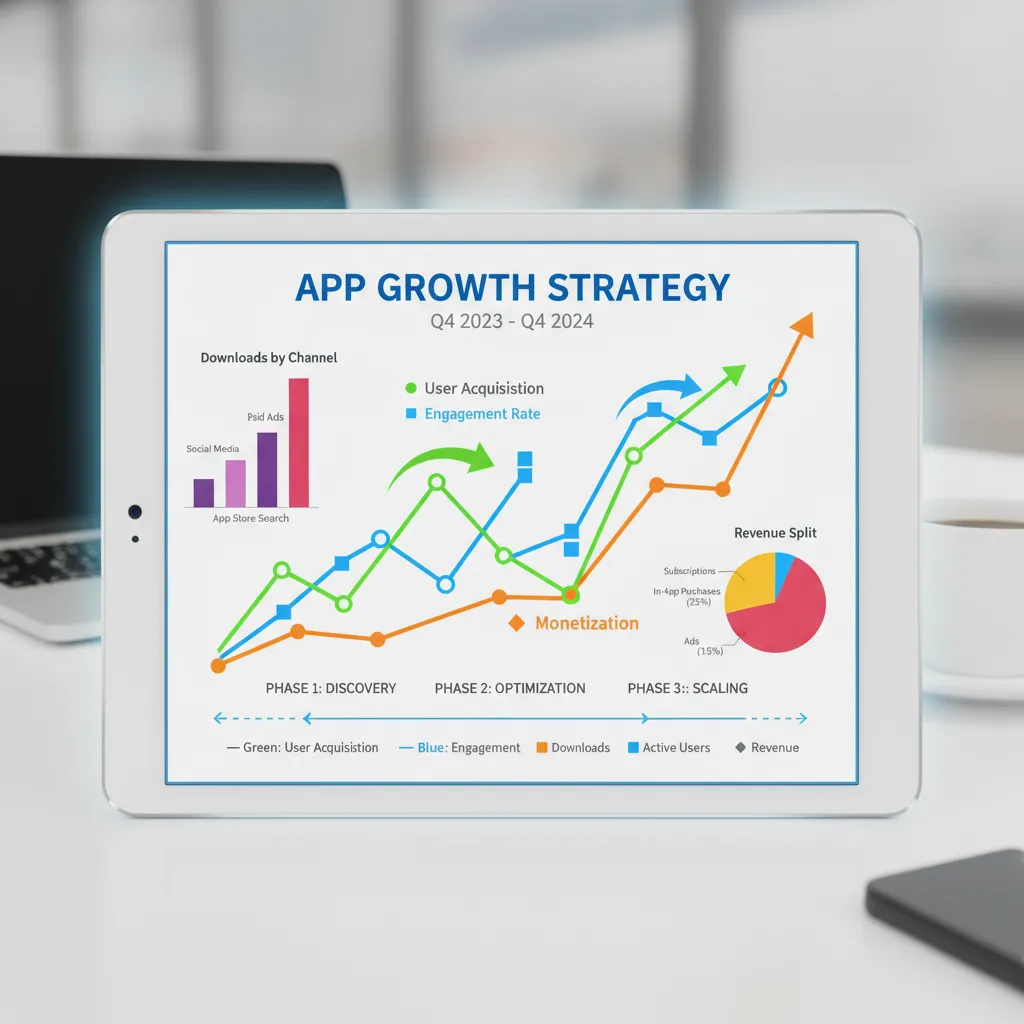
To dominate the charts, you need a multi-faceted Mobile Apps Marketing approach. Relying on a single acquisition channel limits your potential. Let’s delve into the essential pillars every Mobile Apps Marketing campaign should contain.
App Store Optimization (ASO)
Your app store listing is your digital storefront. App Store Optimization (ASO) is the cornerstone of Mobile Apps Marketing and ensures potential users find you when they search for relevant solutions. Start by conducting thorough keyword research, considering both short-tail and long-tail queries. Identify what terms your target audience uses when searching for apps like yours, and include them naturally in your app title, subtitle, and description.
Visual appeal dramatically affects conversion rates. Design a distinctive, memorable icon that stands out in both the Apple App Store and Google Play Store. Create high-quality, annotated screenshots that highlight your app’s core features and unique selling propositions. Both Apple and Google Play Developer guidelines encourage engaging preview videos, which give prospective users a dynamic look at your functionality. Reviews and ratings weigh heavily on your app’s ranking: Prompt your happiest users to leave five-star ratings, and always respond to negative feedback quickly to demonstrate responsiveness and care.
Regular updates, timely responses to user reviews, and localization efforts are also critical elements of effective Mobile Apps Marketing. By tailoring your app listing to different languages and cultural nuances, you substantially increase your potential user base and drive organic downloads in global markets.
Targeted Paid Advertising
Organic growth is powerful but slow. Paid advertising provides an immediate boost to your Mobile Apps Marketing efforts, allowing you to scale user acquisition faster. Platforms like Apple Search Ads and Google App Campaigns enable you to bid on high-intent keywords for prime listing positions, putting your app directly in front of people actively searching for your solution.
Social media advertising (Facebook, Instagram, TikTok, Snapchat, etc.) provides highly granular audience segmentation. You can target users based on age, location, interests, behaviors, and device types. When running paid campaigns, focus on creating compelling video ads and visually rich display creatives that communicate your value proposition within seconds.
Don’t set-and-forget your campaigns. For Mobile Apps Marketing success, closely monitor your Cost Per Install (CPI), Customer Acquisition Cost (CAC), and Return on Ad Spend (ROAS). Analyze ad performance in real time, conduct creative A/B testing, and adjust your bids and target audiences to maximize results. This ensures your Mobile Apps Marketing budget works harder as you scale.
Retargeting is another high-converting tactic in Mobile Apps Marketing. Using retargeting ads, you can reconnect with users who installed but failed to register, or those who dropped out during onboarding, encouraging them back with timely offers or reminders.
Content Personalization and Onboarding
First impressions dictate the destiny of every Mobile Apps Marketing initiative. If your onboarding process is confusing or asks for too much upfront, users will uninstall without a second thought. Keeping onboarding short, interactive, and intuitive is crucial. Offer single-click social login and guide new users with interactive tutorials that quickly showcase your app’s primary benefits.
Personalization is a game-changer in modern Mobile Apps Marketing. By analyzing user behavior, demographics, and preferences, you can serve tailored content, offers, and recommendations. For example, a health app might request fitness goals and instantly present a customized workout plan. Mobile apps that treat every user as unique build stronger emotional connections and drive retention.
A well-orchestrated onboarding experience in your Mobile Apps Marketing strategy should:
- Use micro-interactions and progressive disclosure to educate users without overwhelming them.
- Reinforce the app’s value immediately—users should see a clear benefit in the first session.
- Ask only for the necessary permissions and data, gradually prompting for more information as value is demonstrated.
- Provide timely in-app messages based on user actions, increasing satisfaction and reducing frustration.
Lifecycle Messaging and Omnichannel Engagement
Mobile Apps Marketing doesn’t end with the installation. To foster ongoing user engagement and prevent churn, you need a robust, data-driven lifecycle messaging strategy. This includes not only in-app messaging, but also push notifications, emails, SMS, and even in-app banners.
The key is relevance. Use behavioral triggers to send messages that truly matter to your users: reminders, special offers, feature announcements, and transactional updates. Avoid spamming—frequency should be personalized based on past engagement and user preferences.
A strong Mobile Apps Marketing plan coordinates these channels for a seamless experience. For example:
- A user who abandons a shopping cart receives an in-app message, followed by a push notification and a personalized email if they do not convert.
- Time-sensitive promotions are delivered via both push and SMS for higher visibility.
- Win-back campaigns target inactive users with tailored incentives via their preferred channel.
Measuring the effectiveness of your omnichannel Mobile Apps Marketing campaigns is essential. Analyze open rates, click-through rates, and conversion rates across channels, and connect these metrics to core business KPIs such as retention and revenue.
Leveraging Partnerships and Influencer Marketing
Partnering with other brands or platforms can unlock valuable new user segments for your Mobile Apps Marketing strategy. Strategic collaborations, cross-promotions, and co-marketing agreements amplify reach and credibility. For apps targeting niche markets, micro-influencer campaigns can deliver strong returns. Influencers have engaged communities and can offer authentic, trustworthy recommendations—a key advantage in Mobile Apps Marketing.
Build relationships with influencers who genuinely use and value your app. Encourage them to share honest reviews, tutorials, or “day in the life” stories showcasing your product.
Community Building and Social Proof
A thriving community creates a powerful flywheel in Mobile Apps Marketing. Online forums, social groups, and in-app communities foster user-driven growth. Not only do they spark organic referrals, but they also deliver rich product feedback, uncover bugs, and provide ideas for new features.
Social proof in Mobile Apps Marketing should be leveraged at every stage: highlight milestones, share testimonials, and display user stories within your app listing and website. This builds credibility and reassures hesitant new users.
Continuous Improvement and Agile Experimentation
Mobile Apps Marketing success is rooted in constant experimentation and learning. Implement structured A/B tests for all major marketing assets: icons, screenshots, ad copy, onboarding flows, and push notification timing. Back every update with data and iterate quickly based on user feedback.
Review analytics and market trends weekly. Stay alert for new technologies, privacy updates, and platform changes that could impact your Mobile Apps Marketing initiatives. Leverage cutting-edge tools and tactics—such as AI-driven personalization or predictive analytics—to stay one step ahead of the competition.
Pro Tips and Expert Insights
Getting ahead in Mobile Apps Marketing isn’t just about covering the basics. The most successful apps go further by tapping into advanced strategies and lessons from industry leaders:
- Implement a referral loop: Encourage virality by giving users a tangible incentive for each friend they invite who installs your app. Gamify the process or offer exclusive content for successful referrals.
- Leverage influencer marketing: Partner with creators whose values align with your brand. Authentic influencer endorsements in Mobile Apps Marketing can drive significant high-quality downloads.
- Focus on soft launches: Test your app in smaller markets to identify features that resonate, optimize your funnel, and catch bugs before a global rollout.
- Conduct regular A/B testing: Experiment with everything from icon color to push notification timing. Data-driven iteration improves conversion rates across your Mobile Apps Marketing funnel.
- Build and nurture a community: From user groups to interactive events, foster a direct connection with your core users to build loyalty, generate buzz, and gather honest feedback for continuous improvement.
Comparing Acquisition Channels
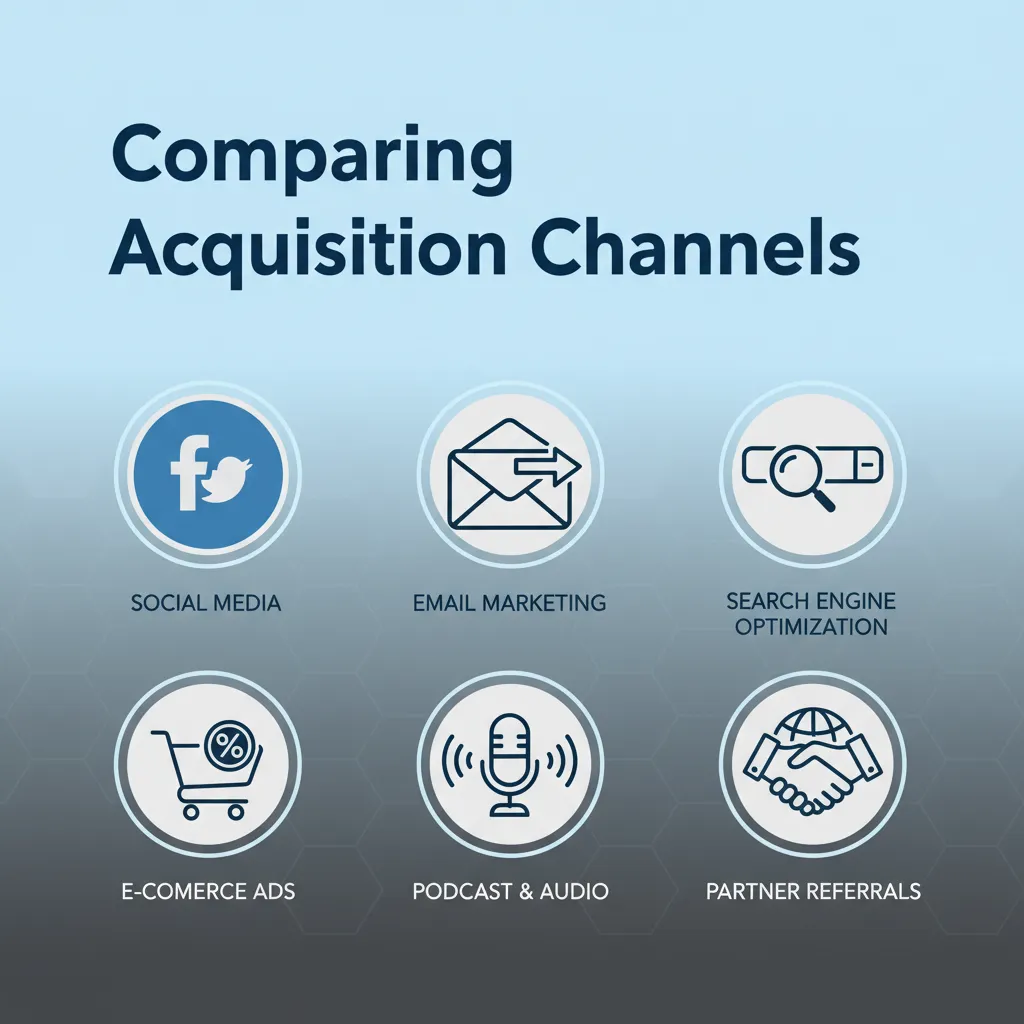
When planning your Mobile Apps Marketing mix, it’s crucial to understand the strengths— and best use cases—of each acquisition channel. Here’s a structured breakdown:
|
Acquisition Channel |
Speed of Results |
Cost Level |
Target Intent |
Best Used For |
|---|---|---|---|---|
|
App Store Optimization |
Slow |
Low |
High |
Long-term organic growth and visibility |
|
Apple/Google Search Ads |
Fast |
Medium to High |
High |
Capturing intent-driven searches |
|
Social Media Ads |
Fast |
Medium |
Medium |
Brand awareness, demographic targeting |
|
Influencer Marketing |
Medium |
Variable |
Medium |
Trust-building, reaching niche audiences |
|
Content SEO |
Slow |
Low |
High |
Driving web-to-app traffic, thought leadership |
Matching the right channel strengths to your Mobile Apps Marketing objectives maximizes your chances of building a sustainable, scalable growth engine.
Common Mistakes to Avoid
Avoiding mistakes is a key part of Mobile Apps Marketing mastery. Many campaign failures can be traced to a handful of recurring mistakes:
- Ignoring user feedback: Disregarding bug reports, feature requests, or negative reviews erodes user trust and damages discoverability. Regularly monitor feedback and respond promptly.
- Undefined target audience: Attempting to market to everyone dilutes your message and wastes your Mobile Apps Marketing budget. Clearly define your ideal customers and tailor messaging accordingly.
- Over-messaging: Bombarding users with excessive push notifications leads to rapid uninstalls. Use segmentation and automation to send relevant communications at optimal frequencies.
- Neglecting post-launch Marketing: Treating launch day as the finish line misses 90% of the work. Successful Mobile Apps Marketing is an ongoing effort—keep your app updated, your campaigns fresh, and your users engaged.
- Underestimating monetization strategy: Poor pricing or intrusive monetization is a common revenue killer. Continuously test and optimize your monetization model. Integrate value-first approaches such as freemium, in-app purchases, or subscriptions adjusted for your audience.
Regularly audit your processes, learn from analytics, and make “continuous improvement” a core part of your Mobile Apps Marketing culture.
Measuring Success with Analytics
Data drives every successful Mobile Apps Marketing campaign. The market is incredibly competitive, but with the right analytics, you can outmaneuver bigger brands and optimize every touchpoint.
Track these vital Mobile Apps Marketing metrics:
- Daily and Monthly Active Users (DAU/MAU): Key benchmarks for user engagement trends and cohort analysis.
- Retention Rate: Measure the percentage of users returning after day 1, day 7, and day 30.
- Churn Rate: High churn signals issues with onboarding, usability, or long-term value—an immediate red flag.
- Lifetime Value (LTV): Calculating LTV allows you to determine if your Mobile Apps Marketing investment is sustainable over the user lifecycle.
- Customer Acquisition Cost (CAC): Your LTV should always exceed CAC, or you risk losing money with every new user.
- Conversion Rates: From ad click to install, registration, and in-app purchases, identify bottlenecks and optimize each step.
- Event Tracking: Use analytics platforms like Mixpanel, Firebase, or Google Analytics for deeper behavioral insights—such as feature adoption rates, funnel drop-offs, and engagement triggers.
- Virality and Referral Metrics: Monitor referral rates, K-factor, and sharing paths to fine-tune viral loops in your Mobile Apps Marketing campaigns.
Connect Mobile Apps Marketing analytics with business metrics and iterate your strategies in real time. Tie learnings into development, support, and leadership meetings to keep alignment and agile decision-making.
Additional Advanced Strategies
Deepening your Mobile Apps Marketing knowledge means embracing trends and new tech:
- Leverage AI and Machine Learning: Use AI-powered chatbots, predictive analytics, and automated segmentation to deliver scalable, hyper-targeted campaigns.
- Experiment with AR/VR Marketing: Showcase features through immersive experiences or branded filters on platforms like Instagram or Snapchat.
- Utilize App Clips/Instant Apps: Allow users to try a lightweight version of your app before committing to a full download, lowering barriers to engagement.
- Integrate with Wearables and IoT: Extend your Mobile Apps Marketing strategy to smartwatches, fitness devices, and home automation to reach users in more contexts.
- Adopt Privacy-First Approaches: With privacy laws evolving rapidly (e.g., GDPR, CCPA), ensure your Mobile Apps Marketing practices respect user data, remain compliant, and build trust through transparency.
Pro Tips: Standing Out in Mobile Apps Marketing
- Emphasize Unique Value: Articulate what sets your app apart—solve a real pain point, delight users with innovation, and communicate it clearly across all marketing assets.
- Use Storytelling: Humanize your brand. Share creator stories, user journeys, and product evolution both within your app and across content channels.
- Collaborate Cross-Functionally: Ensure developers, designers, support, and marketers all contribute to Mobile Apps Marketing efforts. This holistic approach prevents silos and ensures consistent messaging.
- Invest in Support and Community: Respond to support tickets quickly, host webinars, or start a knowledge base. Happy, empowered users amplify your reach.
Conclusion
Mobile Apps Marketing is a marathon, not a sprint. The most successful campaigns are data-driven, creatively executed, and relentlessly optimized. Harness every insight, embrace new channels, and treat every user interaction as an opportunity to learn and improve.
Frequently Asked Questions
What is the most important element of Mobile Apps Marketing?
Understanding your target audience stands as the most critical element. When you know exactly who needs your application, you can tailor your messaging, acquisition channels, and product features to serve them perfectly, driving both downloads and long-term retention.
How long does App Store Optimization take to show results?
App Store Optimization represents a long-term strategy. You typically begin seeing meaningful changes in search rankings and organic download volume within three to four weeks after updating your keywords and visual assets.
Should I focus on iOS or Android first?
Your choice depends entirely on your target audience and geographic location. iOS users generally spend more money on in-app purchases, while Android dominates the global market share. Analyze your ideal user profile to make the best decision for Mobile Apps Marketing.
How do I lower my Cost Per Install (CPI)?
Lower your CPI by highly refining your audience targeting and continuously A/B testing your ad creatives. Improving your app store listing also increases your conversion rate, which naturally drives down the cost of acquiring each user through Mobile Apps Marketing.
What is a good retention rate for a mobile application?
Retention rates vary heavily by industry. Generally, retaining 20% to 25% of your users after 90 days indicates a healthy, engaging application. Games usually see lower long-term retention compared to utility or finance applications.
Why are my users uninstalling my application so quickly?
High uninstall rates usually point to a confusing onboarding process, excessive push notifications, or aggressive monetization tactics right after download. You must show the user value immediately before asking them for money or bombarding them with alerts during your Mobile Apps Marketing efforts.
Do I need a large budget to market my application?
You do not need a massive budget to start your Mobile Apps Marketing campaign. Focus heavily on App Store Optimization, word-of-mouth referrals, and building a community on social media. As you generate revenue, you can reinvest it into paid acquisition channels.
How important are app store reviews?
Reviews critically impact both your search ranking and your conversion rate in Mobile Apps Marketing. The vast majority of users read reviews before downloading an unfamiliar application. You must actively encourage happy users to rate your application and respond professionally to negative feedback.
What is the best way to re-engage inactive users?
Personalized push notifications and targeted email campaigns provide the best re-engagement methods. Offer inactive users a special discount, highlight a major new feature, or remind them of the value they leave on the table by not logging in. Mobile Apps Marketing should always include re-engagement strategies.
Should I buy app reviews to boost my ranking?
Never buy app reviews. Apple and Google utilize sophisticated algorithms to detect fake reviews. If they catch you, they will suspend your developer account and remove your application from the store permanently. Always focus on earning authentic feedback as part of an honest Mobile Apps Marketing practice.