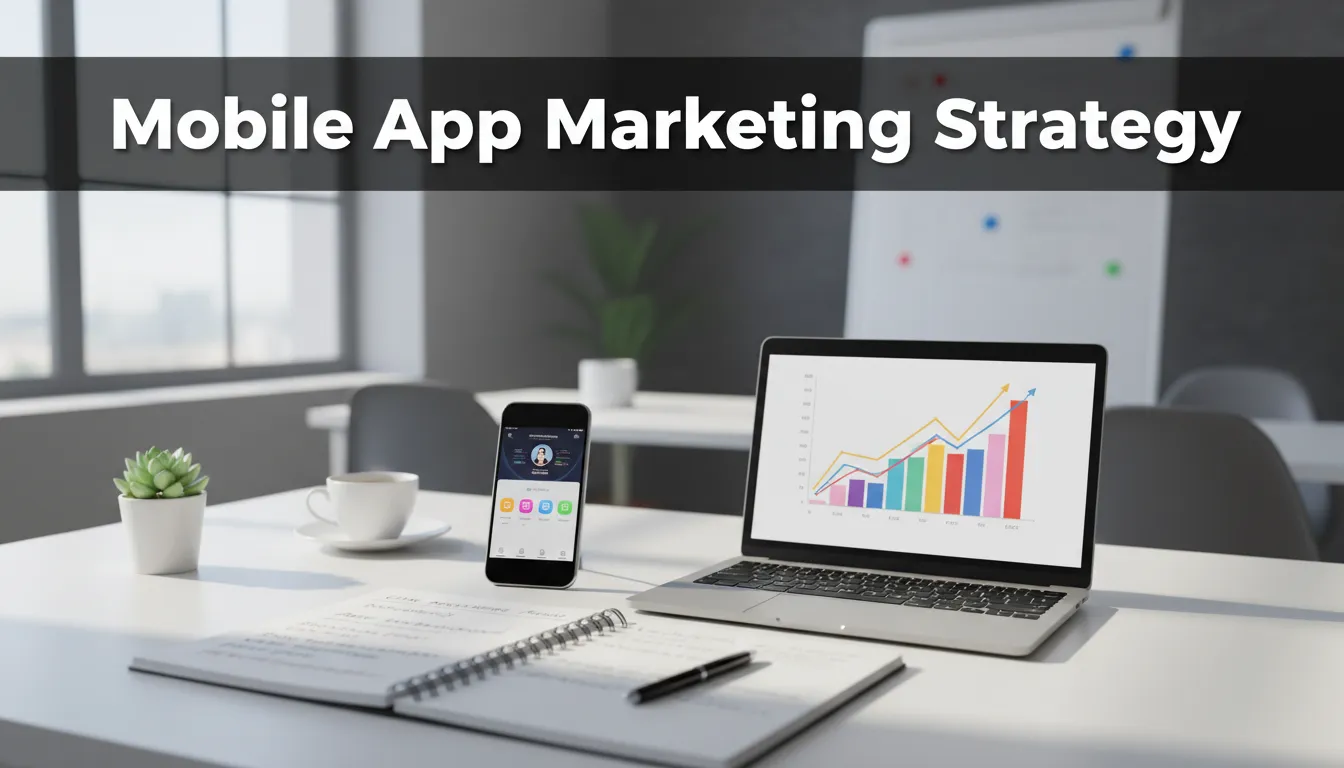
This guide breaks down proven Mobile App Marketing strategies to elevate your user acquisition and retention. You will learn actionable tactics spanning app store optimization, paid advertising, and user engagement to systematically drive downloads, build loyalty, and maximize your profitability.
Launching a great product is just the beginning. Effective Mobile App Marketing helps you stand out, acquire loyal users, and generate consistent revenue growth.
Understanding the Core Lifecycle
Before diving into specific tactics, you must understand the complete user journey. Mobile App Marketing is not just about getting people to download your software. It encompasses every touchpoint a user has with your brand, from the first time they see an advertisement to the moment they make an in-app purchase.
Breaking down the journey into distinct phases helps you allocate resources effectively. The standard lifecycle consists of awareness, acquisition, and retention. By mapping out these stages, you can tailor your messaging and select the most appropriate channels for your target audience. You want to guide users smoothly from discovering your solution to becoming loyal advocates who recommend it to others.
The Awareness Stage
Awareness is about making your target audience realize your product exists. During this phase, potential users recognize they have a problem or a need, and they start looking for solutions. Your Mobile App Marketing strategy here should focus on brand visibility and education. You can achieve this through social media content, public relations, influencer partnerships, and educational blog posts. The goal is to capture attention and build a memorable brand identity so that when users are ready to download a solution, your name comes to mind first.
The Acquisition Stage
Acquisition focuses on driving actual downloads and installs. This is where you convert the interest generated during the awareness stage into measurable action. Mobile App Marketing efforts in this phase rely heavily on app store search rankings, targeted paid advertising, and compelling conversion copy. You need a seamless path from the promotional material to the download button. Tracking metrics like Cost Per Install (CPI) and Click-Through Rate (CTR) becomes essential here to ensure you are acquiring users efficiently and profitably.
The Retention Stage
Getting a download means nothing if the user uninstalls your software the next day. Retention is the process of keeping users active and engaged over time. A robust Mobile App Marketing plan prioritizes retention because acquiring a new user costs significantly more than retaining an existing one. You will use tactics like personalized push notifications, onboarding tutorials, and loyalty rewards to keep your audience coming back. High retention rates directly translate to higher lifetime value (LTV) and sustainable revenue.
Master App Store Optimization (ASO)

App Store Optimization is the foundation of organic Mobile App Marketing. ASO is the process of improving your visibility within the Apple App Store and Google Play Store. When you rank higher for relevant search terms, you receive a continuous stream of free, high-intent traffic. Think of ASO as search engine optimization specifically tailored for mobile platforms.
To succeed with ASO, you must understand how store algorithms evaluate and rank listings. They look at both text-based elements, like your title and description, and performance-based elements, like your download velocity and user ratings. Optimizing these factors is a continuous process that requires deep research and frequent testing.
Keyword Research and Integration
Your Mobile App Marketing efforts begin with thorough keyword research. You need to identify the exact words and phrases your potential users type into the search bar. Use dedicated ASO tools to find keywords with high search volume and low competition.
Once you have your target keywords, place them strategically in your listing. For iOS, include your most important keywords in the title and subtitle, and utilize the hidden keyword field. For Android, naturally weave keywords throughout your title, short description, and long description. Avoid keyword stuffing, as store algorithms penalize listings that read unnaturally. Keep your sentences clear and focused on the benefits your product provides.
Visual Assets that Convert
Keywords bring people to your page, but visual assets convince them to hit the download button. Your icon, screenshots, and preview videos are critical conversion drivers in your Mobile App Marketing arsenal.
Design a clean, recognizable icon that stands out against competitors. Use your screenshots to tell a story rather than just showing basic interface screens. Highlight key features, add short text callouts to explain the benefits, and use high-contrast colors. A short, dynamic preview video can dramatically increase your conversion rate by showing exactly how your product solves the user’s problem in real time.
Leverage Paid Advertising for Instant Visibility
While organic growth is vital, paid advertising gives your Mobile App Marketing immediate scale and volume. Paid campaigns allow you to target highly specific demographics, behaviors, and interests. By investing in paid user acquisition, you can gather performance data quickly, test different messaging angles, and drive a massive influx of users during critical launch periods or major updates.
Social Media Ad Campaigns
Platforms like Facebook, Instagram, and TikTok offer unparalleled targeting capabilities for Mobile App Marketing. You can create custom audiences based on users’ interests, age, location, and past behaviors.
Start by designing highly visual, mobile-first video ads. Show the user interface in action and highlight the immediate value proposition. Use strong calls-to-action like “Download Now” or “Play for Free.” Additionally, utilize lookalike audiences to find new users who share similar characteristics with your best existing customers. User acquisition strategies on social media require constant creative testing, so refresh your ad visuals every few weeks to prevent ad fatigue.
Search Engine App Campaigns
Google App Campaigns utilize machine learning to promote your product across Google Search, YouTube, Google Play, and the Google Display Network. This automation simplifies Mobile App Marketing by optimizing your bids and ad placements to achieve your specific goals, whether that is maximum installs or specific in-app actions.
Provide the algorithm with a diverse set of text ideas, images, and videos. The system will test different combinations to find the highest-performing ads. Set realistic target cost-per-install limits and give the campaign enough time and budget to learn and optimize.
|
Strategy Type |
Best Used For |
Primary Benefit |
Required Investment |
|---|---|---|---|
|
App Store Optimization |
Long-term organic growth |
Free, high-intent traffic |
Time, design resources |
|
Paid Social Media Ads |
Targeted user acquisition |
Immediate, scalable volume |
Ad budget, creative assets |
|
Search Engine Campaigns |
Capturing active searchers |
Automated optimization |
Ad budget, text/video assets |
|
Influencer Marketing |
Building trust and social proof |
Highly engaged audiences |
Partnership fees, outreach time |
Harness Influencer and Content Marketing

Modern consumers trust recommendations from people they admire. Integrating influencer partnerships into your Mobile App Marketing strategy can drive massive spikes in downloads and brand credibility.
Identify creators whose audience aligns perfectly with your target market. Reach out to them with a clear value proposition. Instead of rigid, scripted advertisements, allow influencers to showcase your product authentically. Give them creative freedom to explain how they use your software in their daily lives. You can track the success of these campaigns by providing unique tracking links or promo codes.
Simultaneously, develop a strong content marketing strategy. Write informative blog posts, create helpful tutorials, and share industry insights. By addressing your audience’s pain points through high-quality content, you build authority and drive organic web traffic that you can easily funnel toward your download pages.
Implement Omnichannel User Engagement
Your Mobile App Marketing strategy must extend beyond the initial download. Engaging users across multiple channels ensures they do not forget about your product after the first use. An omnichannel approach connects the dots between push notifications, email marketing, and in-app messaging to create a cohesive user experience.
Crafting Effective Push Notifications
Push notifications are a direct line to your users’ home screens, making them a powerful tool for Mobile App Marketing. However, if you abuse this channel, users will quickly revoke permissions or uninstall your software.
Send notifications that provide genuine value. Alert users about limited-time discounts, remind them of abandoned carts, or notify them of important account updates. Personalize the messages based on user behavior and use their first names when appropriate. Timing is equally critical. Send messages when users are most likely to be active, factoring in their local time zones.
Strategic In-App Messaging
In-app messages appear while the user is actively engaging with your software. This makes them ideal for onboarding, guiding users toward new features, and requesting reviews.
A great Mobile App Marketing tactic is to trigger in-app messages based on specific milestones. For example, after a user completes their first transaction, trigger a celebratory message that asks them to rate your product in the app store. By asking for feedback during moments of high satisfaction, you dramatically increase your chances of receiving positive five-star ratings.
Drive Revenue Through Monetization Strategies
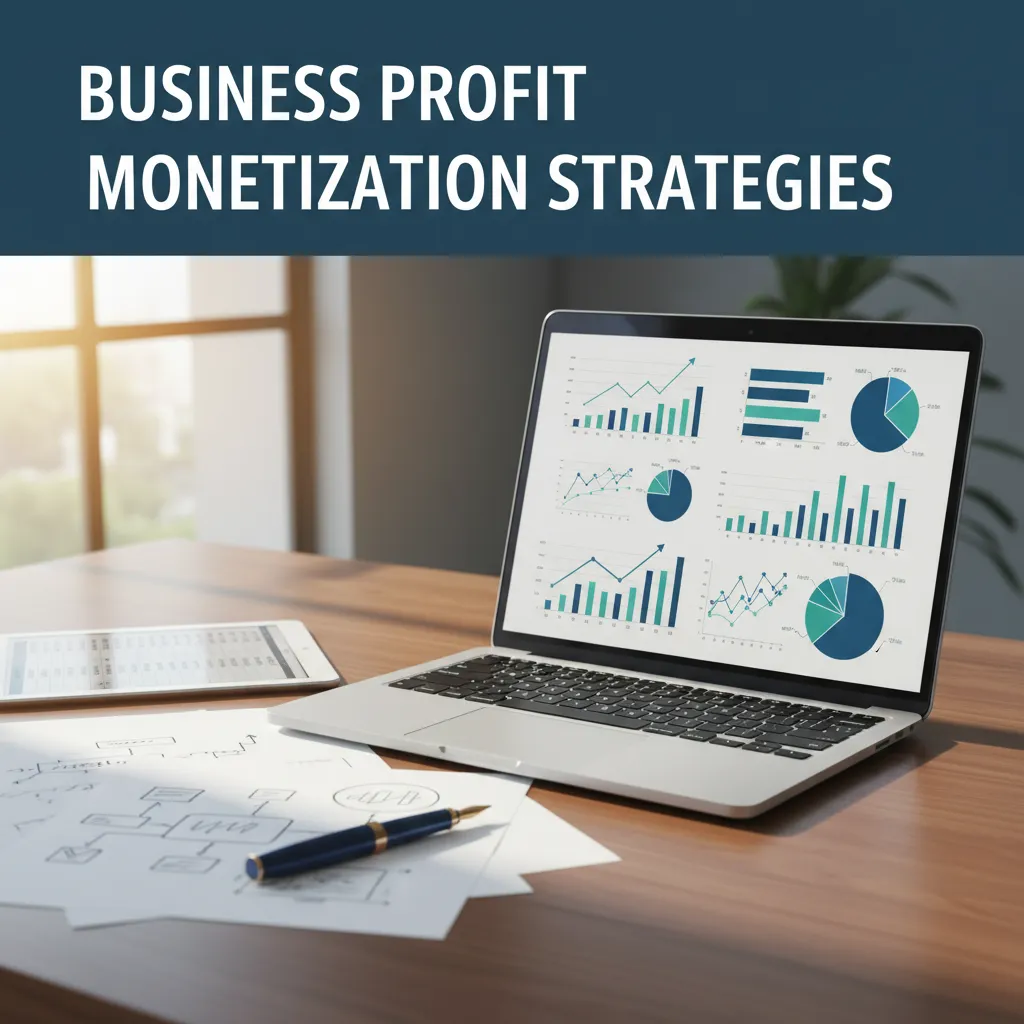
Ultimately, Mobile App Marketing must generate revenue. Your monetization model dictates how you extract value from your active user base. The most common models include freemium, in-app purchases, subscriptions, and in-app advertising.
The subscription model offers predictable, recurring revenue and works well for utilities, fitness guides, and productivity tools. To maximize subscription conversions, offer a free trial that lets users experience your premium features risk-free. If you rely on in-app purchases, use targeted promotions and limited-time bundles to create urgency. Carefully monitor your app retention metrics to understand which user segments are most likely to spend money, and focus your Mobile App Marketing efforts on acquiring more users like them.
Common Mistakes to Avoid
Many developers sabotage their own success by repeating the same avoidable errors. Protect your Mobile App Marketing budget by steering clear of these common pitfalls:
- Ignoring the Onboarding Experience: If users cannot figure out how to use your product within the first thirty seconds, they will leave. Keep your onboarding simple, interactive, and focused on core benefits.
- Neglecting Market Research: Launching without understanding your competitors or target audience leads to irrelevant messaging. Always validate your assumptions with real data.
- Overlooking Performance Analytics: Failing to track user behavior leaves you flying blind. Integrate robust analytics tools to monitor drop-off points, session lengths, and conversion rates.
- Buying Fake Reviews: Purchasing fake ratings violates app store policies and will get your account banned. Focus on earning legitimate reviews through excellent user experiences.
- Failing to Update Regularly: An outdated product signals abandonment. Regular updates fix bugs, introduce new features, and give you a valid reason to re-engage your audience through Mobile App Marketing campaigns.
Expert Insights for Sustained Growth
Achieving long-term success requires a proactive and adaptable mindset. Here are expert strategies to elevate your Mobile App Marketing approach:
- Focus on First-Party Data: With privacy regulations tightening, relying on third-party tracking is becoming difficult. Build systems to collect zero-party and first-party data directly from your users through surveys, account creations, and behavioral tracking.
- Optimize for Web-to-App Journeys: Do not ignore desktop or mobile web traffic. Create a beautifully designed website that clearly explains your value proposition and provides frictionless links to the app stores.
- Leverage Gamification: Introduce points, badges, and leaderboards into your software. Gamification naturally increases session lengths and encourages daily logins, making your Mobile App Marketing retention efforts much easier.
- Conduct Continuous A/B Testing: Never assume you have the perfect design or copy. Test different ad creatives, push notification texts, and paywall designs to squeeze every drop of efficiency out of your campaigns.
Understanding Google’s policies and the Apple App Store guidelines is crucial for maintaining your presence and maximizing your Mobile App Marketing results. Compliance ensures your updates go through smoothly and your marketing efforts are never interrupted by sudden store removals.
Mastering Mobile App Marketing requires continuous testing and refinement. By optimizing your store listing, running targeted campaigns, and prioritizing user retention, you will achieve sustainable growth. Start applying these strategies today to increase your downloads, engage your audience, and watch your application thrive in a competitive digital landscape.
FAQs
What is the most cost-effective Mobile App Marketing strategy?
App Store Optimization (ASO) is highly cost-effective because it generates organic, free traffic. While it requires time and research to optimize keywords and visuals, the long-term payoff makes it the most sustainable user acquisition channel available.
How much of my budget should go toward Mobile App Marketing?
Marketing budgets vary widely by industry and business size, but many successful startups allocate between thirty to fifty percent of their total budget to marketing during the launch phase. Over time, you can adjust this based on your Cost Per Install (CPI) and Customer Lifetime Value (LTV).
Why do users uninstall applications so quickly?
Users typically uninstall software due to a poor onboarding experience, excessive push notifications, intrusive advertisements, or hidden costs. Ensuring a seamless first-time user experience and delivering immediate value are critical to preventing early churn.
How can I improve my App Store ranking?
Improve your ranking by optimizing your title and description with relevant keywords, increasing your daily download velocity, and generating positive user reviews. Frequent updates and maintaining a low crash rate also signal quality to store algorithms.
When should I start my Mobile App Marketing campaign?
You should begin your marketing efforts months before your official launch. Build a landing page, collect email addresses, and generate buzz on social media. A strong pre-launch strategy ensures you have an engaged audience ready to download on day one.
Do I need a website if I only have a mobile application?
Yes, having a dedicated website is essential for Mobile App Marketing. A website improves your overall search engine visibility, provides a space for content marketing, and serves as a central hub for user support and company information.
How often should I send push notifications?
The ideal frequency depends on your category. A news platform might send several alerts daily, while a utility tool should only send notifications when strictly necessary. Always prioritize relevance and value over frequency to avoid annoying your audience.
What is the difference between user acquisition and retention?
User acquisition focuses on convincing new people to download and open your software for the first time. Retention focuses on keeping those individuals engaged and active over weeks, months, and years. Both are essential for profitable Mobile App Marketing.
How do I track the success of my Mobile App Marketing?
Use dedicated mobile measurement partners (MMPs) and analytics platforms to track your campaigns. Monitor key performance indicators like Cost Per Action (CPA), Return on Ad Spend (ROAS), Daily Active Users (DAU), and overall churn rates.
Is influencer marketing effective for driving downloads?
Yes, influencer marketing is highly effective because it leverages established trust and social proof. When an influencer authentically demonstrates how your product solves a problem, their highly engaged followers are very likely to download and try it themselves.