App marketing now requires a holistic blend of AI-driven personalization, immersive AR/VR experiences, and privacy-first strategies to navigate a saturated ecosystem and transform new users into lifelong brand advocates.
In today’s digital landscape, app marketing has become a critical pillar for businesses seeking growth and user retention. As the competition intensifies and the mobile ecosystem evolves rapidly, marketers must adopt innovative approaches to capture attention and drive engagement. Relying solely on conventional acquisition channels will not suffice. Instead, forward-thinking teams are blending cutting-edge technologies, privacy-first strategies, and immersive experiences to differentiate their offerings. Whether you operate a gaming app, a fitness platform, or a retail solution, understanding the latest advancements and best practices is vital to building a sustainable growth engine.
Throughout this comprehensive guide, we will explore key trends that are redefining the way apps attract and retain users. We will discuss how data-driven personalization powered by artificial intelligence (AI) can enhance support for dynamic segmentation, outline methods for creating memorable augmented reality (AR) and virtual reality (VR) interactions, and highlight privacy-centric tactics to foster user trust. Additionally, we will examine the expanding role of niche influencers, user-generated content (UGC), and omnichannel orchestration in maximizing visibility and guiding users from discovery to advocacy seamlessly.
Along the way, you will find actionable tips, real-world examples, and links to authoritative sources—such as insights from the Pew Research Center and security frameworks from the National Institute of Standards and Technology (NIST). By the end of this article, you will have a detailed blueprint to revolutionize your app marketing strategy, build deeper connections with your audience, and achieve sustainable results. Let’s dive in and unlock the essentials that will drive your success.
Evolving Dynamics in App Marketing
The mobile app landscape is more saturated than ever, with millions of applications vying for user attention. In today’s market, smartphone penetration has peaked in many regions, yet the average person juggles dozens of apps daily. To stand out, app marketing teams must prioritize delivering immediate, tangible value during each interaction—whether it’s the moment a user discovers your app or when they decide to become a loyal advocate.
Understanding the Modern User Journey
Gone are the days when downloads alone signified success. Currently, the focus is shifting toward a holistic view of user experience: discovery, installation, onboarding, activation, retention, and advocacy. Mapping this journey helps marketers identify friction points, optimize drop-off zones, and introduce hyper-relevant touchpoints. Many top-performing apps deploy in-depth journey analytics, layering real-time behavior metrics with external signals—like local weather or public events—to tailor campaigns more effectively.
Alternative Stores and Global Expansion
While the Apple App Store and Google Play remain dominant, regional app marketplaces and AI-driven aggregators are gaining momentum. Platforms such as Huawei AppGallery, Samsung Galaxy Store, and emerging third-party aggregators offer access to underexploited user segments. To unlock these opportunities, teams must customize creative assets, apply localized App Store Optimization (ASO), and manage ratings strategically in each ecosystem. Treating every storefront as its own channel ensures optimized discoverability and mitigates dependence on any single distribution network.
Key Takeaways
- Adopt a journey-centric mindset to identify and eliminate bottlenecks from discovery through retention.
- Leverage alternative app stores and aggregators to diversify user acquisition sources.
- Implement localized ASO and tailor marketing creative to regional preferences.
Leveraging AI for Personalized Engagement

Artificial intelligence has shifted from experimental to foundational in app marketing. AI-driven personalization at scale empowers marketers to deliver contextually relevant interactions, boosting engagement and lifetime value. By harnessing predictive analytics and advanced segmentation techniques, teams can anticipate user needs and craft dynamic experiences that resonate deeply.
Predictive Analytics and Dynamic Segmentation
Predictive analytics tools analyze real-time user behavior, in-app events, and external data feeds—such as location-based triggers or device sensors—to forecast future actions. Marketers can automatically segment audiences based on their propensity to convert, churn, or engage with specific features. For instance, a fitness app might identify users who frequently skip workouts during weekdays and serve them personalized motivational messages or alternate training schedules to drive consistency.
Conversational Interfaces and Smart Chatbots
Natural language processing (NLP) advancements have given rise to conversational interfaces that serve as real-time guides. Whether assisting with onboarding, answering FAQs, or delivering tailor-made recommendations, chatbots reduce friction and enhance support. In-app chat experiences not only streamline user flows but also provide feedback loops to refine AI models continuously. Implementing smart chatbots backed by powerful NLP libraries ensures responses remain accurate and empathetic.
Implementing AI Responsibly
While AI offers tremendous potential, ethical considerations and transparent communication are paramount. Incorporate explainable AI methods to help users understand why they’re receiving specific messages or suggestions. Document AI-driven decisions in your privacy policy, and provide opt-out options to maintain user trust. Aligning AI initiatives with privacy-first principles strengthens credibility and safeguards long-term relationships.
Creating Immersive AR/VR Experiences
Immersive technologies such as augmented reality and virtual reality are no longer niche; they are mainstream differentiators in today’s app marketing toolkit. By blending digital elements with the physical world, brands can deliver engaging, memorable experiences that drive user delight and loyalty.
Augmented Reality Overlays
AR overlays enrich the user environment by placing digital content onto live camera feeds. Retail brands can let shoppers virtually “try on” products—glasses, makeup, or clothing—directly through the app. Educational platforms can animate historical landmarks or scientific phenomena, enhancing comprehension and retention. Integrating AR in your app interface encourages extended session durations and creates shareable moments on social media.
Virtual Showrooms and Gamified Hunts
Virtual reality transports users to fully digital environments. In retail, virtual showrooms replicate in-store experiences, enabling users to browse catalogs in 3D spaces. In gaming or entertainment, brands can design scavenger hunts where participants search for collectible items hidden in VR settings. Offering rewards or unlockable content motivates continued exploration and fosters community interaction.
Measuring Immersive Impact
Quantifying the success of AR/VR initiatives requires tracking engagement metrics such as session length, feature usage, and social shares. Pair these quantitative measures with qualitative feedback—surveys or in-app prompts—to gather user sentiment and iterate rapidly. Successful immersive campaigns not only drive short-term excitement but also deliver sustained retention gains.
Embracing Privacy-First Approaches

In today’s privacy-conscious climate, robust data governance and transparent communication are non-negotiable. Users expect clarity on how their data is collected, stored, and used. Leading app marketing teams are turning compliance into a competitive advantage by adopting privacy-first frameworks.
Meeting Regulatory Requirements
Global data protection laws—such as the California Privacy Rights Act (CPRA), ePrivacy regulations in Europe, and various region-specific statutes—impose strict consent and data minimization obligations. Implement comprehensive consent management platforms (CMPs) that capture granular permissions, log user preferences, and allow revocation at any time. Clear, concise privacy policies, written in plain language, help demystify data practices and reinforce user trust.
Cookieless Tracking and Contextual Advertising
With traditional third-party cookies fading away, contextual advertising has re-emerged as a high-performing, privacy-compliant tactic. By analyzing page or in-app content—keywords, topics, or metadata—marketers can deliver relevant ads without invasive tracking. Complement this with first-party data collection, server-to-server event ingestion, and privacy-preserving measurement solutions like differential privacy or federated learning to maintain attribution accuracy.
Building Trust through Transparency
Transparency extends beyond policies—it involves proactive communication. Regularly share insights on how you safeguard user data, highlight anonymization practices, and showcase security certifications from reputable bodies. Demonstrating your commitment to user privacy not only reduces opt-out rates but also cultivates long-term brand advocacy.
Power of Influencers and User-Generated Content
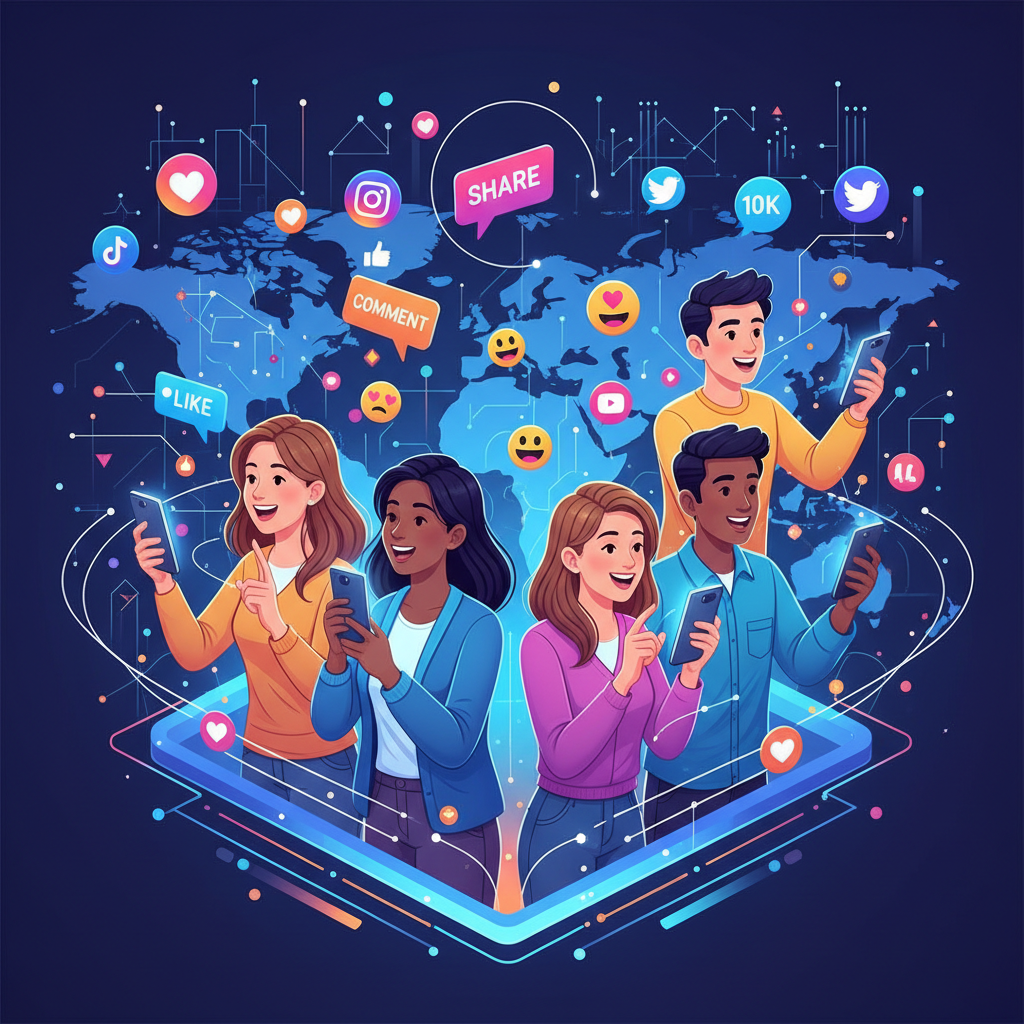
Influencer partnerships remain a powerful driver for organic reach, but the landscape is shifting towards more authentic, niche collaborations. Today, micro- and nano-influencers—creators with highly engaged, specialized followings—deliver superior ROI compared to broad-reach celebrities.
Leveraging Micro-Influencers
Micro-influencers typically boast 1,000 to 100,000 followers and foster tight-knit communities. Brands can co-create content with these influencers—app walkthroughs, feature showcases, or behind-the-scenes tutorials—to generate trust and spur trial. Because micro-influencers are perceived as peers, their recommendations carry more weight, driving higher engagement rates.
Encouraging User-Generated Content
User-generated content (UGC) amplifies social proof and deepens community bonds. Launch in-app challenges or hashtag campaigns that prompt users to share their experiences—screenshots of achievements, success stories, or creative use cases. Integrate reward systems that unlock badges or discounts for contributors, further motivating participation. Display UGC on your app landing page or social channels to showcase genuine endorsements and encourage newcomers to explore.
Measuring Influencer ROI
Track key performance indicators (KPIs) such as engagement rate, referral installs, and average revenue per converted user to evaluate influencer campaigns. Employ affiliate links or custom tracking codes to attribute conversions accurately. Combine quantitative metrics with qualitative feedback—surveying new users about their discovery path—to refine selection criteria for future partnerships.
FAQ
What are the stages of the modern mobile app user journey?
The journey typically includes discovery, installation, onboarding, activation, retention, and advocacy. Mapping each stage helps identify friction points and tailor touchpoints for better engagement.
How can AI improve user engagement?
AI powers predictive analytics to forecast behaviors and dynamic segmentation to send relevant messages. Conversational interfaces and smart chatbots further streamline support and personalize in-app experiences.
Why is a privacy-first approach important?
A privacy-first framework builds user trust, ensures compliance with regulations like CPRA and ePrivacy, and differentiates your brand by demonstrating a commitment to data protection.
What is the primary goal of modern App Marketing?
Beyond simple downloads, effective app marketing aims to optimize the entire user lifecycle—from discovery and onboarding to long-term retention and organic advocacy.
How does AI enhance App Marketing personalization?
AI enables predictive analytics and dynamic segmentation, allowing marketers to anticipate user needs and deliver hyper-relevant content that significantly boosts engagement.
Why should I look beyond major stores for App Marketing?
Diversifying into alternative platforms like Huawei AppGallery or Samsung Galaxy Store allows your app marketing strategy to reach untapped global segments and reduce platform dependency.
How does Augmented Reality (AR) fit into App Marketing?
AR creates immersive “try-on” or interactive experiences within the app, which increases session duration and provides shareable content that drives organic app marketing growth.
What is a “Privacy-First” App Marketing strategy?
It is an approach that prioritizes transparent data collection and regulatory compliance (like CPRA), using trust as a competitive advantage to retain privacy-conscious users.
Why are micro-influencers vital for App Marketing?
Micro-influencers have higher engagement and trust levels within niche communities, offering a better ROI for app marketing campaigns compared to high-cost celebrity endorsements.
How does User-Generated Content (UGC) support App Marketing?
UGC acts as authentic social proof. Encouraging users to share achievements or reviews lowers acquisition costs and builds a community-driven app marketing engine.
What role does ASO play in App Marketing?
App Store Optimization (ASO) is the “SEO of apps.” It’s a foundational app marketing tactic that improves visibility through optimized keywords, localized descriptions, and high-quality visuals.
Can App Marketing succeed without third-party cookies?
Yes. By shifting toward contextual advertising and first-party data collection, app marketing teams can maintain high targeting accuracy while respecting user privacy.
How do I measure the ROI of my App Marketing efforts?
Successful app marketing relies on tracking KPIs like Customer Acquisition Cost (CAC), Lifetime Value (LTV), and retention rates to iterate and scale high-performing campaigns.
How does “Omnichannel Orchestration” enhance App Marketing?
It ensures a seamless user journey by syncing messages across email, social media, and push notifications. Instead of repetitive ads, your app marketing delivers a fluid experience—like an app notification following up on an abandoned web cart—to drive conversions and boost retention across every digital touchpoint.
Conclusion
App marketing demands a holistic, innovative approach that blends technology, trust-building, and human-centered creativity. By understanding the evolving user journey, harnessing AI-driven personalization, and creating immersive AR/VR experiences, marketers can stand out in a crowded landscape. Privacy-first strategies and contextual advertising ensure compliance while reinforcing user confidence. Meanwhile, strategic collaborations with micro-influencers and authentic user-generated content foster genuine connections and organic growth.
As you implement these pillars—alternative store diversification, omnichannel orchestration, advanced ASO tactics, and loyalty-driven retention programs—you will build a robust, future-proof growth engine. Start experimenting today, measure relentlessly, and iterate based on real insights to create apps that not only attract users but transform them into lifelong advocates. The tools and frameworks exist; now it’s time to put them into action and revolutionize your app marketing.