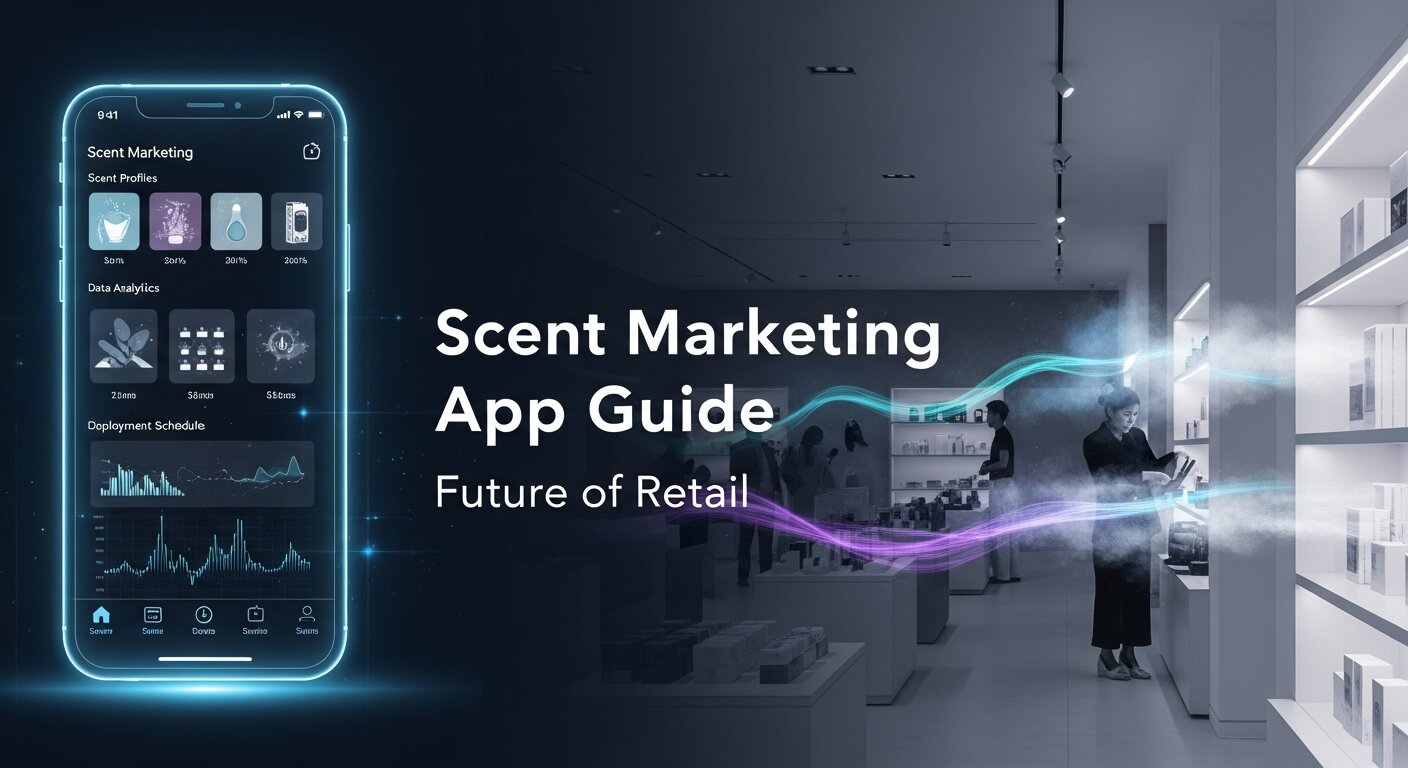
Scent Marketing App helps retailers turn atmosphere into strategy by connecting mood, memory, and purchase behavior in a way that feels modern, measurable, and customer-friendly.
Scent Marketing App is changing how retailers think about experience design because smell influences memory, attention, and emotional response more directly than many other sensory cues. In a competitive retail world where brands fight for seconds of attention, this kind of sensory layer can create a stronger impression than static signage alone. Retail leaders increasingly want experiences that feel personal, measurable, and consistent across locations, and that is exactly where Scent Marketing App enters the conversation.
The idea is simple but powerful. Instead of treating scent as a background detail, retailers can use a controlled system to plan, schedule, monitor, and adjust aroma-based experiences. Scent Marketing App makes that process feel more practical because it bridges the creative side of branding with the operational side of deployment. In modern retail, that bridge matters. The more controllable the sensory experience becomes, the more useful it is for customer retention, dwell time, and brand recall.
Summary
Scent Marketing App gives retailers a practical way to manage atmosphere, influence customer mood, and create memorable brand experiences while connecting sensory strategy with real operational control.
Why Scent Matters in Retail
Scent Marketing App matters because scent affects the brain differently from visual or text-based messaging. A fragrance can trigger memory, shape emotion, and make a space feel warmer, cleaner, or more premium within seconds. That effect is especially useful in retail, where first impressions are often made before a customer speaks to anyone or even notices a product category. When a store feels pleasant, people tend to stay longer, explore more, and respond more positively to the environment.
A strong retail scent strategy is not about overwhelming the customer. It is about creating a subtle, brand-aligned atmosphere that supports comfort and trust. Scent Marketing App helps stores move away from guesswork by making scent planning more intentional. Instead of relying on a random aroma choice, teams can think about brand identity, audience mood, seasonal changes, and store layout before deployment. That makes the sensory decision less decorative and more strategic.
Retail psychology also plays a major role here. Customers often do not remember every product detail, but they remember how a space made them feel. Scent Marketing App helps shape that feeling in a repeatable way, which is valuable for chains, boutiques, hospitality-adjacent stores, and even pop-up spaces that need to stand out quickly.
How the App Fits Modern Retail Operations
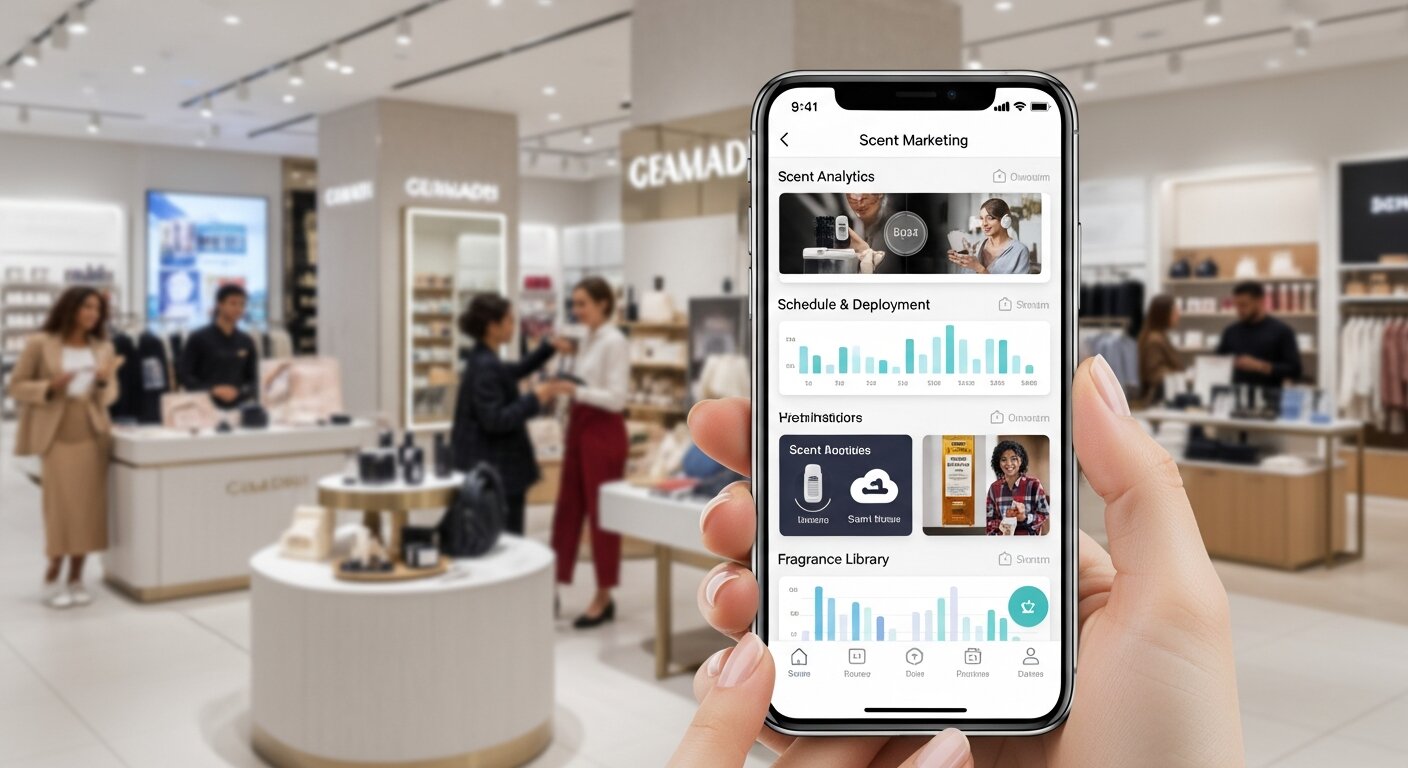
Scent Marketing App fits modern retail because store teams are already used to managing multiple digital systems for scheduling, analytics, customer engagement, and inventory. A scent platform simply becomes another layer in the operational stack, except this one manages atmosphere instead of stock counts. That is a major shift in thinking because it allows sensory branding to be treated like a controllable business function rather than a creative luxury.
The best part is consistency. If a brand wants every flagship store to deliver the same emotional tone, Scent Marketing App makes that easier to coordinate. Teams can set schedules, monitor intensity, and align scent use with peak hours, promotions, or special events. That level of control is important because retail environments change often, and the sensory experience should be able to adapt without requiring constant manual intervention.
For many businesses, the appeal is not just brand image. It is also efficiency. Scent Marketing App reduces the chaos of ad hoc scent management by giving teams a structured workflow. That matters when store managers are already busy and need systems that are simple enough to maintain without adding friction.
The Psychology Behind Scent and Memory
Scent Marketing App works because the sense of smell is strongly tied to emotion and memory. A familiar fragrance can trigger positive associations, improve comfort, and make a location easier to recall later. This is why scent often feels more intimate than visual branding. A logo may be seen once, but a scent can linger in memory and influence how the place is remembered long after the visit ends.
Retailers use Scent Marketing App to take advantage of that memory effect in a structured way. If the scent aligns with the brand story, it can help customers feel like the store has a distinct personality. That is especially useful when products are similar across competitors. In crowded markets, emotional distinctiveness often matters as much as functional distinction.
The psychological impact also depends on subtlety. If a fragrance feels too strong, it can have the opposite effect and create discomfort. Scent Marketing App is useful because it encourages precision. Rather than flooding a space, retailers can fine-tune aroma delivery so the environment feels polished instead of perfumed. That balance is what makes sensory branding feel premium rather than manipulative.
The Business Case for Sensory Strategy
Scent Marketing App is attractive to business leaders because it connects customer experience with measurable outcomes. Retailers do not just want a nicer atmosphere; they want outcomes such as longer dwell time, improved brand perception, and more memorable store visits. When a sensory layer contributes to those goals, it becomes easier to justify the investment.
A thoughtful scent strategy can also support premium positioning. Customers often interpret a well-designed environment as a sign that the brand pays attention to detail. Scent Marketing App helps create that impression in a way that feels modern and scalable. That is useful for lifestyle retail, beauty, wellness, hospitality retail, and high-touch shopping environments where ambiance influences purchasing confidence.
The commercial value grows when the scent is connected to campaigns or seasons. A store can use one atmosphere for a holiday launch, another for summer traffic, and another for a special promotion. Scent Marketing App makes those changes easier to coordinate across locations, which improves brand coherence and reduces manual workload.
What Makes an App-Based Approach Different
Scent Marketing App stands out because it shifts scent management from a mostly manual task into a digitally managed system. That matters in retail because store teams often need both flexibility and control. With app-based management, teams can schedule, monitor, and adjust scent deployment without constantly being on-site. That makes the experience easier to scale across multiple stores.
Digital control also helps brands document what works. Instead of guessing whether a fragrance campaign helps or hurts the atmosphere, teams can observe patterns over time. Scent Marketing App creates a more disciplined framework for testing scent strategy in a real-world setting. That is valuable because sensory branding has often been discussed in vague terms, but retail leaders increasingly want something they can actually manage.
Another advantage is communication. A centralized app can help marketing and operations stay aligned. When a scent campaign is planned in the same strategic language as other brand activities, it becomes easier to coordinate launches, store refreshes, and seasonal updates.
Where the Technology Creates Value
Scent Marketing App creates value in several areas at once. First, it improves consistency. Customers visiting different stores can experience a similar emotional tone, which strengthens brand recognition. Second, it improves efficiency because managers can reduce manual checking and make updates from a central interface. Third, it improves flexibility because scent settings can be adapted to events, traffic patterns, or time of day.
The deeper value is that the system makes atmosphere measurable in a practical sense. While scent itself is subjective, the process around it can still be structured. Scent Marketing App allows a retailer to manage timing, intensity, and usage patterns in a way that supports experimentation and refinement. That is especially helpful for chains that want to test one scent profile in a few locations before rolling it out more broadly.
When a brand can manage atmosphere with more confidence, the customer experience tends to feel more deliberate. Scent Marketing App supports that sense of control, which helps businesses deliver a more polished retail journey.
Digital Marketing App Connections
Scent Marketing App is even more powerful when retailers think of it as part of a broader Digital Marketing App ecosystem. Modern retail is already driven by data, automation, and customer journey mapping. A sensory layer should not sit outside that framework. Instead, it should complement digital campaigns, loyalty programs, seasonal launches, and localized promotions.
When scent strategy connects with the larger digital stack, the brand can create a more unified experience. A store display, email campaign, mobile promotion, and in-store scent environment can all support the same emotional message. That kind of consistency increases recognition because the customer is not receiving disconnected signals.
This is also where Scent Marketing App can help the brand become more memorable in a crowded market. Customers today encounter dozens of digital messages every day. A physical sensory cue creates a different kind of attention, and when that cue matches the digital story, the experience becomes stronger.
Scent and User Experience Design
Scent Marketing App Enhances User Experience because it changes the way customers feel in the space, not just what they see on the shelf. That may sound subtle, but subtlety is exactly why it works. People often decide whether a space feels welcoming or stressful within moments, and scent can quietly support the feeling of ease. That matters in retail because comfort often leads to more browsing, more curiosity, and a better impression of the brand.
The user experience effect becomes even clearer when scent is matched to context. A clean, calm scent can support wellness or home goods. A brighter, fresher scent may suit fashion or active lifestyle spaces. Scent Marketing App helps retailers align the aroma with the emotional promise of the brand, which makes the environment feel more coherent.
This is why customer experience teams often look at sensory details as part of the bigger brand journey. When the environment feels intentional, people tend to trust it more. That trust does not guarantee a sale, but it improves the odds that the customer will stay engaged long enough to consider one.
Choosing the Right Scent Strategy
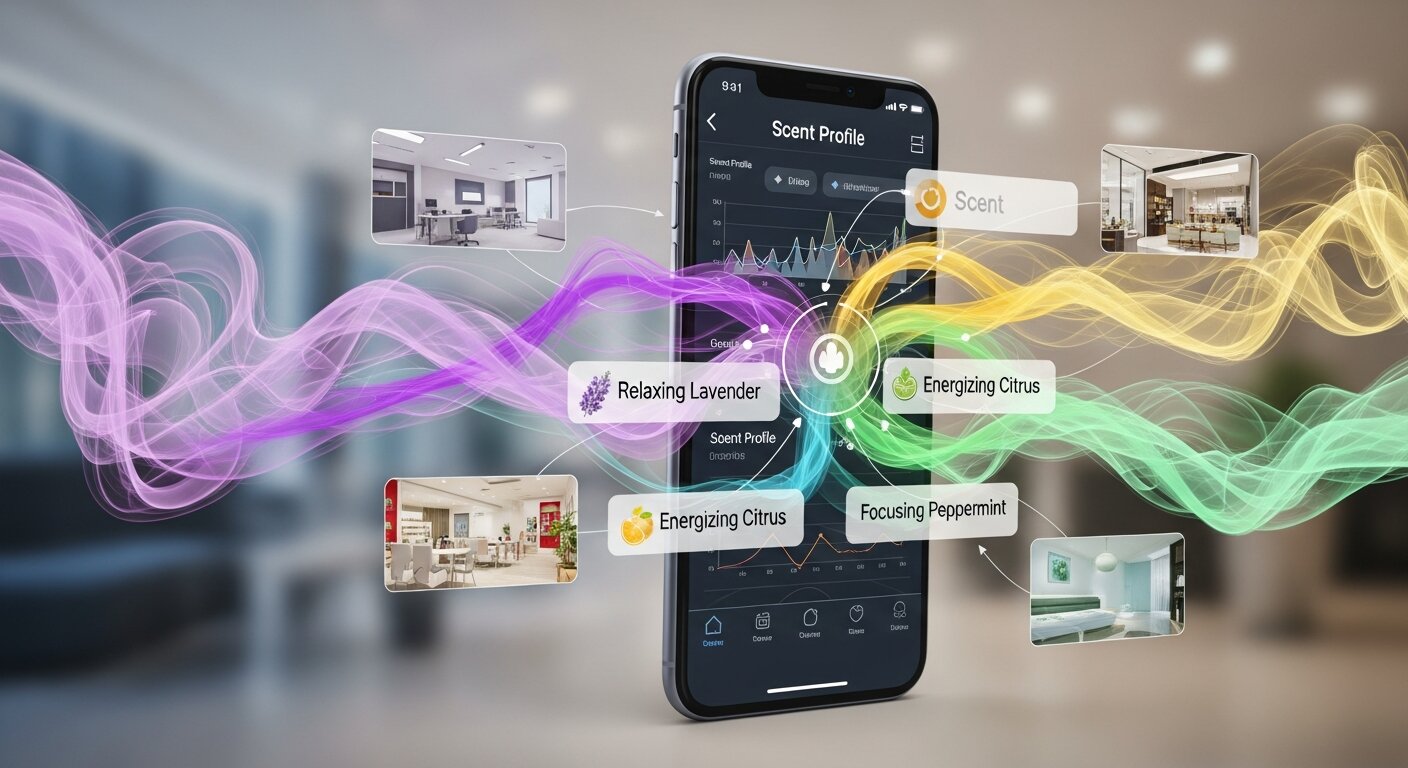
Scent Marketing App is only useful when the scent strategy itself makes sense. That means the retailer should think about audience, category, store size, traffic flow, and brand positioning before making any decisions. A luxury brand may want a calm, elegant atmosphere, while a youth-oriented concept might need something brighter or more energetic. The scent should reinforce identity, not fight it.
The best scent strategy starts with purpose. Is the goal to increase dwell time, create a calmer environment, support premium positioning, or make a store feel more distinctive? Once the purpose is clear, Scent Marketing App can be used to turn that intention into repeatable store behavior. That clarity matters because scent without strategy can feel random, and random sensory decisions often weaken consistency.
Retailers should also test carefully. Small adjustments in fragrance intensity can produce big changes in comfort. Scent Marketing App is helpful here because it makes experimentation more manageable, allowing teams to refine the environment gradually rather than all at once.
Common Mistakes to Avoid
Scent Marketing App works best when retailers avoid the most common sensory mistakes. One major mistake is using a scent that is too strong. Customers should notice the atmosphere, not feel attacked by it. Another mistake is selecting a fragrance that does not match the brand. If the scent feels disconnected from the store identity, it can create confusion rather than trust.
Another issue is inconsistency across locations. If one branch smells refined while another smells overpowering or absent, the brand story becomes uneven. Scent Marketing App helps reduce that problem by giving managers a standard system. But the system only works when the strategy behind it is well defined.
Retailers also make the mistake of treating scent as an afterthought. Scent Marketing App should be part of the customer journey design from the beginning. When atmosphere is planned early, it becomes a brand asset instead of a last-minute add-on.
Data, Automation, and Operational Efficiency
Scent Marketing App becomes even more useful when retail teams are focused on data and automation. Scent decisions can be linked to store hours, seasonal trends, campaign timing, and customer traffic patterns. That makes scent management feel less like a manual task and more like a controllable brand function. It also reduces the chance of human error, which is important in multi-store environments.
The retail world already depends on systems that save time and reduce repetitive work. That is why some teams compare scent automation with Automated Data Entry Software Tools. While the functions are very different, the logic is similar: better tools reduce routine workload and improve consistency. Scent Marketing App serves the same purpose for atmosphere that workflow tools serve for administrative tasks.
When a company already uses Modern Automated Data Entry Software for back-office efficiency, it makes sense to think the same way about customer-facing experiences. Sensory consistency is part of operational quality, and operational quality is part of brand trust.
Can Small Retailers Use It Too?
Scent Marketing App is not only for large chains. Smaller retailers can also benefit if they want to create a more memorable environment. In fact, smaller stores often gain a bigger emotional effect from scent because the atmosphere is more intimate and easier to notice. A thoughtful scent can make a compact boutique feel more polished, more welcoming, and more distinct from nearby competitors.
For small businesses, the important thing is not scale but alignment. The scent should match the store personality, the customer base, and the space itself. Scent Marketing App can still help because it offers structure, even when the team is small. A store does not need a huge operations department to care about atmosphere.
Small retailers should also think carefully about budget and maintenance. Simpler systems may be enough if the goal is to create a pleasant, brand-consistent environment. The technology should support the store, not complicate it.
Retail Categories That Benefit Most
Scent Marketing App can be valuable in many retail categories, but some benefit more than others. Beauty stores, wellness brands, fashion boutiques, premium home goods, spas, lifestyle retailers, and hospitality-adjacent concepts often gain the most because mood and ambiance are already part of the buying decision. In these spaces, scent can reinforce the product promise and elevate perceived quality.
Experience-heavy retail also benefits because customers are not just shopping; they are participating in a brand environment. Scent Marketing App helps shape that environment in a way that feels coherent and memorable. When the category already relies on emotional connection, the scent layer can deepen the experience without distracting from the merchandise.
Even functional categories can use scent well if the application is thoughtful. The key is always relevance. A scent should feel like part of the space, not an unrelated gimmick.
Customer Perception and Brand Recall
Scent Marketing App can influence how customers remember a store long after they leave. That is a powerful advantage because brand recall often determines whether someone returns or recommends the location to another person. A pleasing sensory memory can make the brand feel familiar, trustworthy, and worth revisiting.
Perception also matters during the visit. If the customer experiences a calm and pleasant environment, the store may feel more professional and premium. Scent Marketing App helps create that perception when used carefully. The result is not just a nicer room, but a stronger emotional association with the brand itself.
This memory effect is one reason sensory branding is gaining attention in retail strategy discussions. Physical spaces are competing with digital attention, and anything that helps a store stand out in memory is valuable.
Measuring Performance Responsibly
Scent Marketing App should be evaluated like any other brand investment. Retailers need to ask whether the environment is improving stay time, customer feedback, repeat visits, or overall perception. Even if the results are not always perfectly direct, the business should still look for signs that the sensory layer is contributing to the desired experience.
That evaluation should be thoughtful, not overly simplistic. A store may not see a sales spike every time it changes scent, but it may notice longer browsing sessions, improved mood, or more positive feedback. Scent Marketing App helps create the experience; the brand still needs a measurement habit to understand whether the strategy is working.
The best performance review blends data and observation. Numbers matter, but so do manager notes, customer comments, and seasonal comparisons. Retail is complex, and sensory strategy should be assessed with that complexity in mind.
Future Trends in Scent Strategy
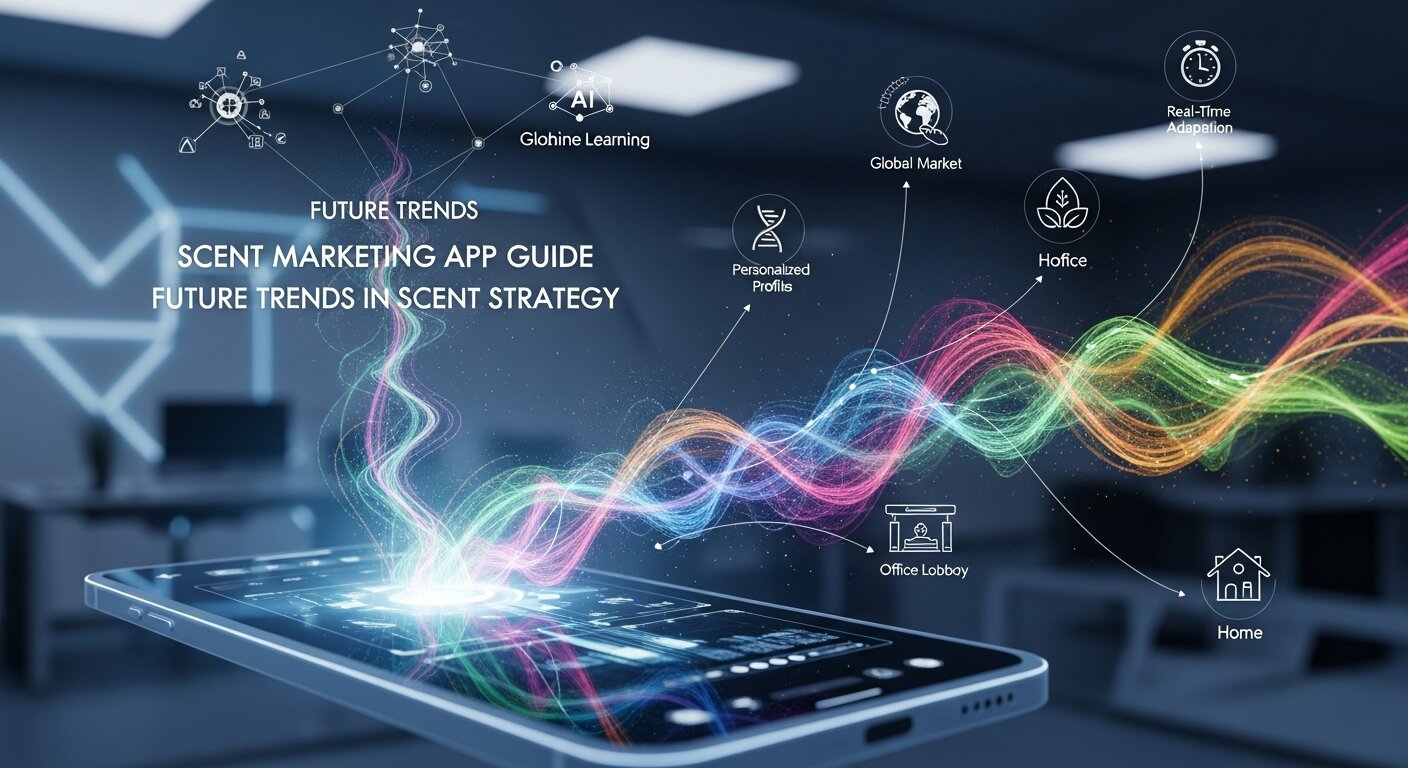
Scent Marketing App points toward a future where retail environments become more adaptive and more personalized. As brands look for ways to create deeper emotional engagement, sensory systems will likely become more integrated with digital planning, analytics, and store operations. That means atmosphere may eventually be managed with the same level of discipline as promotions or visual merchandising.
Future retail may also use more localized scent strategies. A flagship store, a seasonal pop-up, and a neighborhood boutique may not need the same atmosphere. Scent Marketing App can support that kind of differentiation by making adjustments easier to schedule and manage.
The long-term trend is clear: the physical retail experience must offer something digital channels cannot. Scent is one of those advantages because it is immersive, emotional, and difficult to forget.
Practical Table : Sensory Strategy at a Glance
| Goal | Why It Matters | Scent Marketing App Role |
|---|---|---|
| Improve mood | Customers feel more comfortable | Creates a controlled atmosphere |
| Strengthen brand recall | Visitors remember the space | Links scent to brand identity |
| Support premium positioning | Environment feels more refined | Helps standardize consistency |
| Increase dwell time | People stay longer in pleasant spaces | Enables controlled deployment |
| Reduce operational friction | Teams need simple systems | Centralizes scheduling and adjustments |
Why This Matters for the Future of Retail
Scent Marketing App matters because retail is no longer only about products. It is about experience, memory, and emotional clarity. Stores need to create reasons for people to stay, connect, and return. Scent adds a layer that feels human rather than mechanical, which is important in an era where many interactions are increasingly digital.
Retailers who think ahead will treat atmosphere as a strategic asset. Scent Marketing App supports that shift by giving teams a practical way to manage sensory experience at scale. That can make a brand feel more modern without losing warmth.
The future of retail will likely reward businesses that can combine technology with emotional design. Scent is one of the few tools that speaks directly to feeling, and feeling is often what customers remember most.
Conclusion
Scent Marketing App is becoming an important retail tool because it turns atmosphere into something that can be planned, tested, and managed with greater confidence. That matters in a market where customers want experiences that feel meaningful, polished, and easy to remember. When scent is aligned with brand identity, store layout, and customer expectation, it can strengthen comfort, improve perception, and help retailers stand out in crowded markets. The real opportunity is not simply to make a space smell pleasant, but to make the brand experience more coherent from the moment customers walk in. As retail keeps blending physical and digital strategy, sensory tools like this will matter even more because they add an emotional layer that screens cannot replace. Brands that use it wisely will likely gain a deeper connection with shoppers, a stronger in-store atmosphere, and a more distinctive identity over time. The future of retail will belong to businesses that understand how people feel in a space, not only what they buy there, and this approach is part of that future.
Frequently Asked Questions (FAQ)
What is a Scent Marketing App used for?
It helps retailers manage scent strategy in a more organized way, allowing them to plan atmosphere, align fragrance with branding, and create a more consistent customer experience.
Is scent marketing only for luxury stores?
No. It can work for many retail categories, including beauty, wellness, fashion, lifestyle, and even smaller boutique shops when used thoughtfully.
How does scent affect shoppers?
Scent can influence mood, comfort, memory, and perception, which may lead to longer visits and a stronger emotional connection with the store.
Can a small retailer use this kind of system?
Yes. Smaller retailers may benefit even more because a well-chosen scent can make a compact store feel more polished and memorable.
How do retailers avoid overusing scent?
They should keep it subtle, test carefully, and make sure the fragrance matches the brand rather than overpowering the environment.
Does scent marketing replace visual branding?
No. It works best as a supporting layer that strengthens the full customer experience alongside design, signage, lighting, and service.
Why is app-based scent management helpful?
It gives teams more control, better consistency, and easier scheduling, especially across multiple locations or campaigns.
Can scent strategy be measured?
Yes, though indirectly. Retailers can observe dwell time, customer feedback, repeat visits, and overall atmosphere to evaluate performance.
What businesses benefit most from this approach?
Businesses where mood and ambiance matter most, such as beauty, wellness, premium retail, and experience-focused stores, often see the strongest value.
Is this the future of retail?
It is part of it. As retail becomes more experience-driven, tools that manage atmosphere and emotional response will matter more.