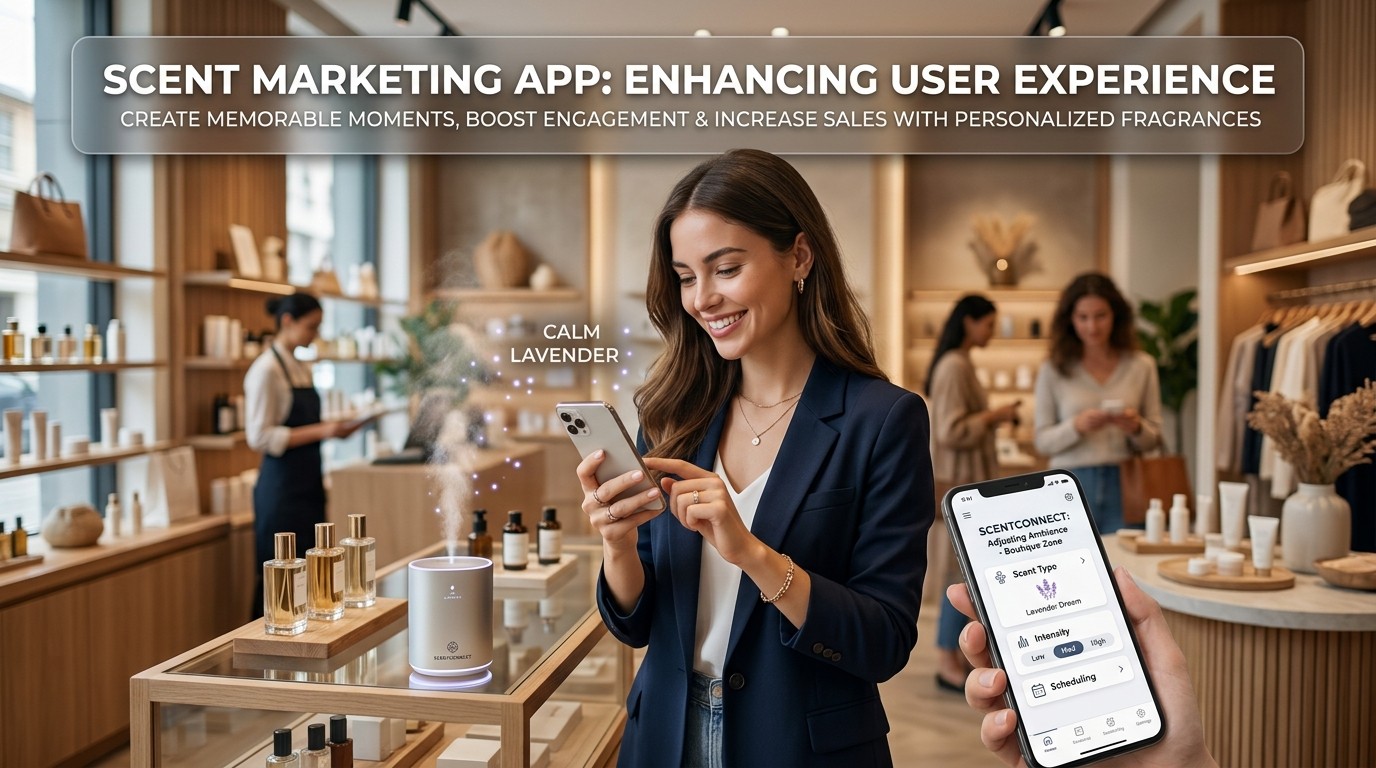
A Marketing App Enhances User Experience by personalizing atmosphere, guiding memory, and making digital interactions feel more human, memorable, and emotionally comfortable.
A Marketing App Enhances User Experience when it does more than display content and instead shapes how people feel while they interact with a brand. In a crowded digital world, attention is limited and first impressions are fragile. That is why sensory design has become such a powerful idea. People may forget a banner ad or a generic push notification, but they often remember a mood. A subtle scent cue, carefully paired with timing and context, can make an experience feel calmer, more premium, and more trustworthy.
This is where scent-based engagement becomes interesting. A Marketing App Enhances User Experience not only through visuals and messaging, but also by helping brands create a recognizable atmosphere that feels consistent across touchpoints. When users feel emotionally comfortable, they stay longer, engage more deeply, and are more likely to return. That is not accidental. Human psychology is strongly influenced by memory, emotion, and association, so an app that supports those pathways can improve how a user experiences a brand.
The value of a Marketing App Enhances User Experience becomes even clearer when the app is part of a broader digital system. A Digital Marketing App may manage outreach, promotions, and campaign timing. A Marketing App Enhances User Experience when scent signals are used to support those campaigns in a way that feels gentle rather than intrusive. Instead of overwhelming users with more noise, the brand creates a more memorable environment.
Why Scent Matters in Digital and Physical Journeys
A Marketing App Enhances User Experience because scent is tightly connected to memory and emotion. When a smell becomes associated with a place, product, or brand, the brain stores that association deeply. This makes scent different from many other brand signals. It is not just seen or read; it is felt. That feeling can guide how people interpret the rest of the experience.
The psychology behind scent memory
Scent reaches memory quickly because smell is closely linked to emotional processing. A Marketing App Enhances User Experience when it uses this link to strengthen recall. A user who notices a consistent scent identity may not consciously analyze it, but the brain still records it. Later, the same cue can trigger familiarity and comfort.
Atmosphere shapes behavior
People respond to spaces based on what those spaces communicate. A calm scent may encourage people to slow down, browse longer, or feel less tense. A Marketing App Enhances User Experience when it helps create that atmosphere intentionally. The app becomes part of the emotional design of the journey rather than just a control panel.
Consistency builds trust
If a brand feels different every time the user interacts with it, trust is harder to build. A Marketing App Enhances User Experience by supporting consistency. The same scent pattern across campaigns, stores, waiting areas, or experiential zones helps users feel that the brand knows what it is doing.
How a Scent Marketing App Works
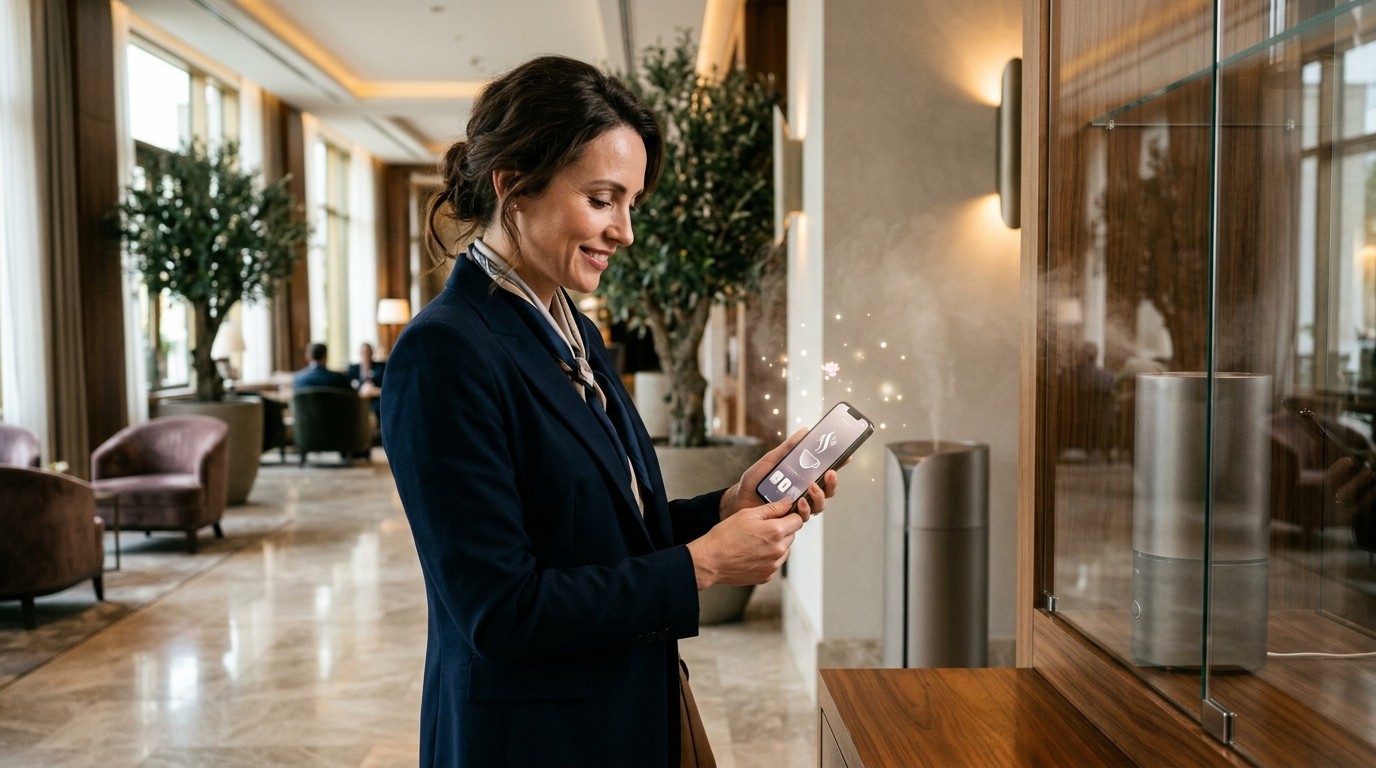
A Marketing App Enhances User Experience by helping brands manage scent delivery in a controlled and intentional way. The app may connect to devices, schedules, zones, and campaign rules. The goal is not to overpower the space. The goal is to deliver the right scent at the right time.
Scheduling and automation
One of the strongest advantages is timing. A Marketing App Enhances User Experience when it automates scent delivery for peak hours, special events, or different customer journeys. This ensures the atmosphere supports the moment instead of feeling random.
Zone-based control
Different areas may need different scent intensity. A lobby, a retail aisle, and a lounge do not require the same atmosphere. A Marketing App Enhances User Experience when it allows zone-based settings so the brand can create subtle differences without losing identity.
Campaign alignment
Scent should not exist in isolation. A Marketing App Enhances User Experience when scent campaigns align with promotions, seasonal messaging, or product launches. This makes the whole brand experience feel more complete and more memorable.
Emotional Effects on Users
A Marketing App Enhances User Experience because emotion drives behavior more than pure logic. If people feel relaxed, welcomed, and engaged, they are more likely to explore what the brand offers.
Comfort reduces friction
When an environment feels pleasant, users do not have to work as hard to stay engaged. A Marketing App Enhances User Experience by supporting comfort, which lowers the emotional friction that sometimes makes users leave early or feel disconnected.
Mood influences perception
Users often judge a brand through mood before they judge it through facts. A pleasant scent can make a space seem cleaner, warmer, or more premium. A Marketing App Enhances User Experience when it helps shape that mood in a repeatable way.
Memory increases return intent
People return to experiences that felt good and feel familiar. A Marketing App Enhances User Experience by reinforcing that familiarity. Over time, the scent becomes a quiet signature that strengthens brand recall.
Why This Matters for Modern Marketing
A Marketing App Enhances User Experience in a world where brands compete for attention across many channels. Users are already overwhelmed by notifications, ads, and content. A scent layer can cut through that overload by creating a deeper, less noisy form of engagement.
A Digital Marketing App for Daily Campaigning usually focuses on repetition, timing, and audience response. A Marketing App Enhances User Experience when it adds a sensory layer to those daily campaigns without making them feel mechanical. The result is a brand presence that feels more human.
For many businesses, this is the difference between being noticed and being remembered. A Marketing App Enhances User Experience by turning a routine interaction into a more complete emotional moment.
Practical Use Cases
A Marketing App Enhances User Experience across many industries because scent can support different customer goals.
Retail environments
Retail stores often need customers to stay longer and feel more relaxed. A Marketing App Enhances User Experience by helping store teams set a scent identity that matches the brand personality and encourages browsing.
Hospitality spaces
Hotels, lounges, and wellness spaces benefit from atmosphere. A Marketing App Enhances User Experience when it helps guests feel welcomed the moment they enter. That first emotional response often shapes the rest of the stay.
Events and activations
A temporary event needs fast emotional impact. A Marketing App Enhances User Experience by making scent part of the event design so visitors remember the experience long after it ends.
Showrooms and demo spaces
Products often feel more appealing when the environment is designed well. A Marketing App Enhances User Experience in showrooms by reinforcing professionalism, cleanliness, and brand focus.
Operational Benefits for Teams
A Marketing App Enhances User Experience not just for customers but for the team managing the brand. Better control means better execution.
Easier campaign management
When scent delivery can be scheduled and adjusted from a central app, teams save time. A Marketing App Enhances User Experience because it simplifies the operational side of sensory branding.
Better brand consistency
Consistency is one of the hardest things to maintain across multiple locations. A Marketing App Enhances User Experience by helping teams apply the same rules and preserve the same identity.
Smarter experimentation
Brands can test different scent moods, times, and intensities. A Marketing App Enhances User Experience because it makes optimization easier and more data-driven.
Scent App Value Across Use Cases
| Use Case | How It Helps | User Experience Impact |
|---|---|---|
| Retail | Encourages browsing and comfort | More time in store |
| Hospitality | Creates a welcoming first impression | Stronger emotional memory |
| Events | Makes activations more immersive | Higher recall |
| Showrooms | Supports brand premium feel | Better perception of quality |
| Daily campaigns | Syncs scent with messaging | More coherent experience |
This table shows why a Marketing App Enhances User Experience in practical terms rather than just theoretical ones.
Connection to Data and Automation
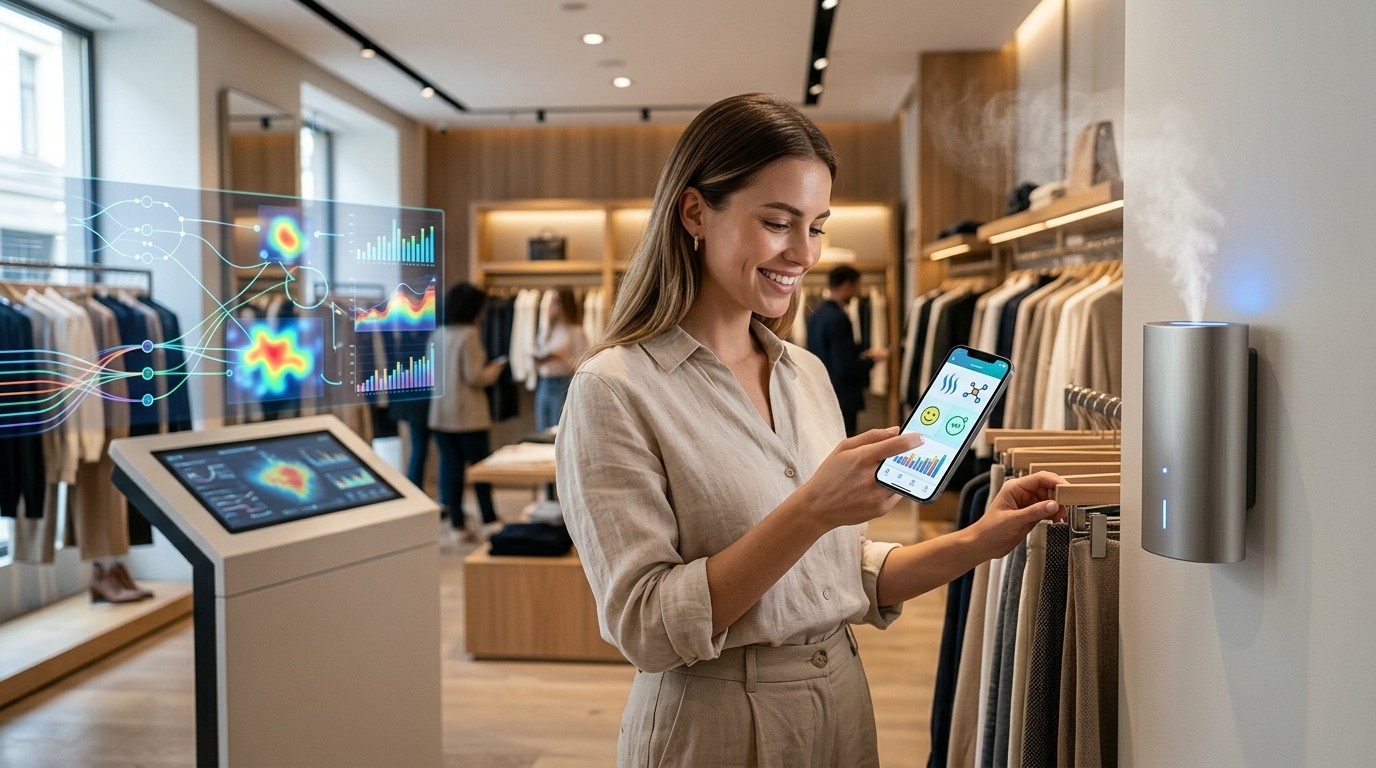
A Marketing App Enhances User Experience when it is supported by data. Good sensory branding should not rely only on instinct. It should also use usage trends, campaign performance, and customer feedback.
That is one reason teams often compare the workflow with the logic behind Best Automated Data Entry Software. The systems are different, but the principle is similar: reduce repetitive manual work and improve accuracy. A Marketing App Enhances User Experience when it lets teams focus on creative strategy instead of constantly adjusting simple tasks by hand.
The same is true for Automated Data Entry Software Tools, which show how automation can improve reliability. A scent platform can follow a similar philosophy by making sure the right scent is delivered consistently, at the right time, in the right place.
Brand Storytelling Through Scent
A Marketing App Enhances User Experience because it helps turn scent into a story. Storytelling is stronger when it is multi-sensory. If the brand message says calm, the scent should feel calm. If the message says freshness, the scent should support that. The experience becomes more believable when the senses agree.
Match scent to brand identity
A luxury brand should not smell chaotic. A wellness brand should not smell harsh. A Marketing App Enhances User Experience when it aligns scent with the brand promise.
Reinforce campaign themes
Seasonal campaigns, product launches, and special events can all benefit from a scent identity that matches the visual and verbal message. A Marketing App Enhances User Experience by making that alignment easy to manage.
Create recognizable moments
People often remember how a moment felt more than what was said. A Marketing App Enhances User Experience by helping brands create recognizable scent moments that become part of the overall memory.
Common Mistakes to Avoid
A Marketing App Enhances User Experience only when it is used well. Poor execution can make the experience feel awkward or artificial.
Over-scenting
Too much scent can overwhelm users. The point is subtlety. A Marketing App Enhances User Experience when it keeps the atmosphere pleasant rather than intense.
Ignoring user context
Different spaces need different scent choices. A Marketing App Enhances User Experience when it respects the setting, the audience, and the purpose of the moment.
Failing to measure response
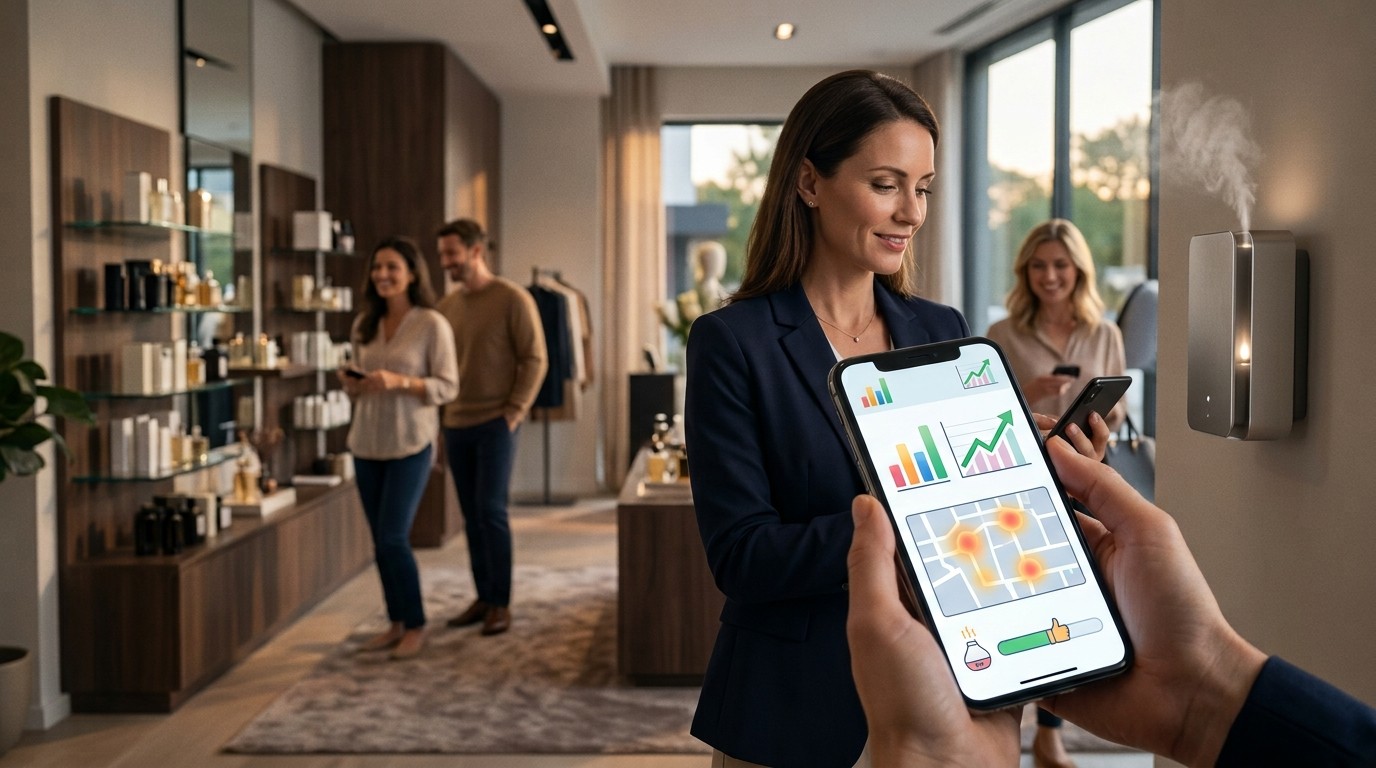
If a brand never checks whether the scent is helping, it cannot improve. A Marketing App Enhances User Experience when the team measures engagement and adjusts accordingly.
Treating scent as decoration only
Scent is not just a nice extra. It is part of the experience architecture. A Marketing App Enhances User Experience when scent is treated as a strategic layer, not a cosmetic one.
How to Think About User Experience More Broadly
A Marketing App Enhances User Experience when it makes the whole journey feel smoother, more memorable, and more emotionally coherent. Good user experience is not only about convenience. It is also about feeling understood.
Users respond to experiences that respect their attention, reduce friction, and create pleasant memory cues. A Marketing App Enhances User Experience by doing exactly that in a sensory way. It supports the brand’s visual and digital strategy while adding a layer of emotional design that many users appreciate without necessarily naming it.
This matters because people often describe a great experience as “feeling right.” That feeling is built from many small signals working together. A scent app helps shape one of the strongest signals of all.

Conclusion
A Marketing App Enhances User Experience by making brand moments feel more human, more memorable, and more emotionally comfortable. When scent is managed with timing, consistency, and strategy, it becomes much more than a decorative effect. It helps users relax, remember, and connect. It also helps teams create a more coherent brand presence across spaces and campaigns. In a world where digital noise is constant, sensory design can quietly improve how people feel about an experience. That is the real value of a well-planned scent marketing app: it supports the user journey in a way that feels subtle, intentional, and lasting.
Frequently Asked Questions (FAQ)
1. What does a Marketing App Enhances User Experience mean?
It means the app improves how users feel and interact with a brand by making the experience more consistent, comfortable, and memorable.
2. How does scent affect user experience?
Scent can influence mood, memory, and comfort, which is why a Marketing App Enhances User Experience through sensory association.
3. Why use a scent marketing app instead of manual control?
A Marketing App Enhances User Experience by enabling automation, consistency, and easier campaign management.
4. Can scent apps help with brand recall?
Yes. When used consistently, scent can strengthen memory and recognition, which is a major reason a Marketing App Enhances User Experience.
5. Is scent marketing only for retail?
No. Hospitality, events, showrooms, and wellness spaces can all benefit when a Marketing App Enhances User Experience.
6. How does automation help the process?
Automation helps by ensuring the right scent is used at the right time, which makes a Marketing App Enhances User Experience more reliable.
7. Should scent be strong to be effective?
Not usually. Subtlety often works better. A Marketing App Enhances User Experience when scent supports the environment instead of overwhelming it.
8. Can scent be matched to campaigns?
Yes. A Marketing App Enhances User Experience when scent aligns with visuals, messaging, and seasonal themes.
9. How do teams measure success?
They can look at dwell time, feedback, return visits, and campaign performance to see whether a Marketing App Enhances User Experience.
10. Why is sensory branding important now?
Because users are overloaded with content, and a Marketing App Enhances User Experience by creating a more emotional and memorable connection.