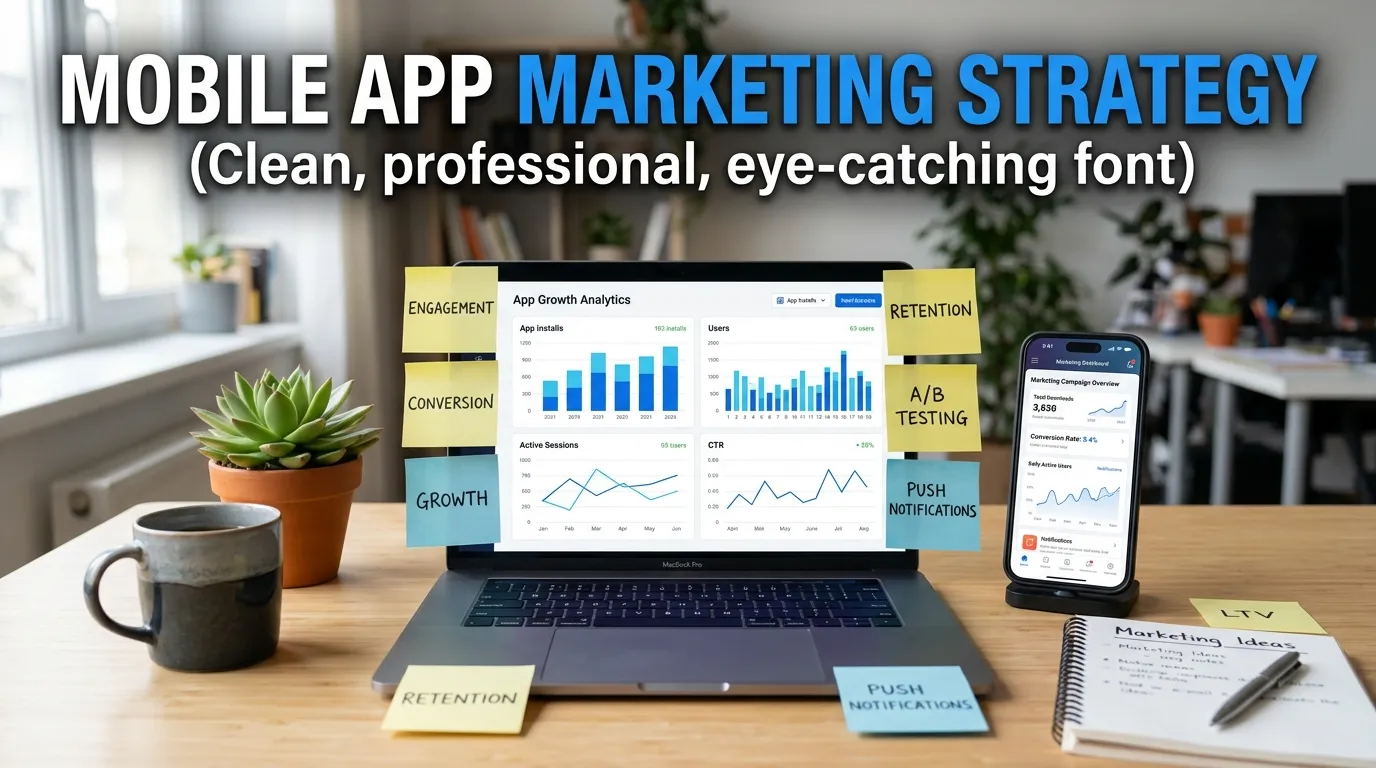
This comprehensive guide breaks down the essential tactics for sustainable mobile app growth. You will discover how to optimize app store listings, leverage user data, deploy targeted campaigns, and build lasting user relationships. Implement these actionable steps to efficiently scale your user base and maximize long-term profitability. Marketing with mobile apps isn’t just a one-time project—it’s an ongoing commitment that pays dividends over time when done right.
Want to boost your revenue quickly? Effective marketing with mobile apps is your answer. In today’s hyper-competitive digital landscape, a mobile app alone isn’t enough; you need smart, data-driven marketing to stand out. Here, we will explore the leading strategies for marketing with mobile apps and walk you through proven ways to engage users, build long-term loyalty, and drive massive growth.
Understanding the Core of Marketing with Mobile Apps
When you launch an application, the work has only just begun. Effective marketing with mobile apps requires a deep understanding of your target audience, clear objectives, and a well-defined funnel. You must attract users, convince them to download your product, and keep them engaged for months or years.
To achieve a high return on investment, you need to look beyond the initial download. A successful strategy balances acquisition costs against the lifetime value of a user. By leveraging data analytics and user feedback, you can refine your messaging and ensure you deliver exactly what your audience needs.
Marketing with mobile apps means actively tracking every touchpoint along the customer journey. A truly successful campaign is not just about how many people download your app, but also about how many continue to use it, love it, and ultimately tell their friends about it.
Setting Clear Objectives
Before you spend a single dollar on ads, define what success looks like for your app. Establish key performance indicators such as cost per install, daily active users, conversion rate, customer acquisition cost, and churn rate. Tracking these metrics is vital when perfecting your approach to marketing with mobile apps, allowing you to quickly pivot campaigns when results fall short of expectations.
To dig deeper into metric tracking, check out our guide on setting mobile KPIs. Establishing a baseline gives you the power to make data-driven decisions that push your business forward. Whether your goals include rapid user acquisition or maximizing lifetime value, tracking and analyzing data are foundational to strong marketing with mobile apps.
App Store Optimization: Your Growth Foundation

App Store Optimization (ASO) acts as the digital storefront for your product. Over half of all app downloads happen through organic searches within the app stores. If you ignore this step, you leave money on the table and hinder your results with marketing with mobile apps.
Keyword Research and Implementation
Identify the terms your potential users type into the search bar. Use high-traffic, low-competition keywords in your app title, subtitle, and description to help your app surface in relevant searches. Don’t stuff keywords unnaturally; instead, write compelling copy that highlights the benefits of your application and aligns with user search intent. For advanced strategies, read up on best practices from authoritative sources like the Apple Search Ads platform, which often sets the bar for high-impact marketing with mobile apps.
Visual Assets That Convert
Your app icon, screenshots, and preview videos serve as your best sales tools. Crisp, professional, and relevant graphics boost conversion rates.
- Icon: Keep it simple, memorable, and recognizable.
- Screenshots: Highlight the main features and use brief text overlays to explain the value.
- Video Preview: Show the app in action within the first five seconds to hook the viewer.
Visual optimization is a cornerstone of marketing with mobile apps because it establishes instant trust and excitement at first glance. For a deeper dive into visual branding, review our mobile design best practices to learn how top developers structure app store pages for maximum impact.
Localization and Global Reach
Effective marketing with mobile apps is not limited by geography. By localizing your app store assets and descriptions, you can extend your reach to new regions and languages, bringing your value ahead of competitors who skip this step. Ensure you adapt cultural nuances, currency, and regional trends when expanding globally.
Proven User Acquisition Strategies
Getting eyes on your application requires a mix of organic and paid tactics. Marketing with mobile apps means meeting your users exactly where they spend their time, whether in search engines, social feeds, or communities. Let’s break down some of the most reliable approaches.
Paid Social Media Advertising
Platforms like Facebook, Instagram, TikTok, and Snapchat offer highly granular targeting options. You can create lookalike audiences based on your best current users—those most likely to engage and retain. Video ads tend to perform exceptionally well on these platforms because they demonstrate the user interface clearly.
While marketing with mobile apps via paid social can rapidly scale your reach, remember to monitor your ad spend closely; otherwise, you risk draining your budget on non-converting clicks. Experimenting with different creatives and copy is key to optimizing your ROI.
Influencer Partnerships
Partnering with niche influencers provides instant credibility and access to engaged audiences. When a trusted creator recommends your application, their followers are far more likely to download and try it. Give influencers a unique promo code or tracking link so you can accurately measure the direct impact of their promotion—a vital analytics step in effective marketing with mobile apps.
Content Marketing and SEO
Content marketing expands your reach by positioning your app as a solution to users’ specific problems. Build a robust blog or resource center around the key challenges your app addresses. For example, a fitness app can publish articles about healthy eating, workout routines, or injury prevention.
High-value content improves your search engine rankings and brings in motivated leads that already want what you offer. From there, strategically link articles directly to your app store pages, reducing friction from interest to install. Advanced marketing with mobile apps leverages this organic “pull” alongside paid “push” strategies for best results. Check out our content marketing framework for detailed steps on structuring your blog.
Referral Programs
Organic word of mouth is powerful, especially when incentivized. Build referral programs into your app, making it easy for users to invite friends and earn rewards. Viral growth is one of the top ROI drivers for marketing with mobile apps.
Retention and Engagement Tactics

Acquiring a user costs five times more than retaining an existing one. Leading marketing with mobile apps heavily focuses on keeping your audience invested, satisfied, and eager for more.
Flawless Onboarding
The first few minutes inside your app determine whether a user stays or leaves forever. Simplify account creation, minimize required fields, and show instant value. Use tooltips or interactive walkthroughs to highlight core features, but let the user explore at their own pace. Do not force them to read a lengthy manual before they see the payoff—immediate engagement is vital for long-term retention.
Push Notifications Done Right
Push notifications serve as a direct line to your users’ pockets, but must be used responsibly. Personalization is crucial; segment messages by user behavior and lifecycle stage. A simple reminder about an abandoned shopping cart or a timely, relevant update can be the nudge a user needs to return. For technical guidance, reference Google’s Firebase documentation on push notification segmentation—a best practice for sharp marketing with mobile apps.
In-App Messaging
In-app messaging provides context-sensitive support, announces new features, and collects valuable feedback—all when the user is most receptive. Done right, it helps users navigate the app and increases satisfaction, making them more likely to stick around. These thoughtful touchpoints reinforce every branded interaction in your marketing with a mobile apps plan.
Loyalty and Gamification Programs
Reward users for daily engagement, social sharing, and referrals. Gamifying experiences with points, badges, and leaderboards gives users a fun and meaningful reason to return. Unlock exclusive features or provide small rewards to increase retention—a key approach for marketing with mobile apps in competitive markets.
Regular Updates and Feature Releases
Keep your app fresh and relevant by rolling out regular updates. Announcing new features or improvements through release notes, push notifications, and in-app banners keeps your audience engaged and shows commitment to quality. Marketing with mobile apps succeeds when users see ongoing innovation and responsiveness.
Advanced Strategies for Marketing with Mobile Apps
To gain a sustainable competitive edge, incorporate sophisticated tactics into your campaigns.
A/B Testing for Optimization
A/B test everything—from your app store screenshots and copy, to onboarding flows, to notifications timing. Data-driven experimentation reveals what truly resonates with your audience. Top marketing with mobile apps leverages testing to squeeze every percentage point of improvement from each channel.
Deep Linking for Seamless Experiences
Make sure your social ads, emails, and even SMS campaigns use deep links that transport users directly to specific app content, not just the home screen. This drastically improves conversion rates and provides a best-in-class experience—an advanced play for anyone serious about marketing with mobile apps.
Personalization Using Data Analytics
Analyze user data to segment behavior and create tailored experiences. Recommend content, offers, or features based on what each user loves. Personalization is the future of marketing with mobile apps, driving higher engagement and satisfaction.
Utilizing Analytics for Smarter Decisions
Implement robust app analytics tools to monitor every important metric: installs, retention, churn, ARPU, and in-app events. Use these insights not just to report, but to inform constant improvement. The smartest teams in marketing with mobile apps pivot rapidly based on hard numbers, not guesswork.
Building with Feedback Loops
Integrate customer feedback surveys and review prompts at logical points in the user journey. Addressing pain points and showing appreciation demonstrates that you value your community, leading to more positive reviews—a crucial factor in app store optimization and marketing with mobile apps’ effectiveness.
Expert Insights and Pro Tips
We asked leading industry veterans for their top strategies in marketing with mobile apps. Here’s what they recommend for dominating your market:
- Test Everything: Never assume you know what the user wants. Run A/B tests on your app store screenshots, ad copy, onboarding flows, and push notifications.
- Localize Your Content: Don’t just translate; adapt visuals, currency, and references relevant to each target market.
- Prioritize Speed: Users expect instant access. Optimize your app’s code and servers.
- Leverage Deep Linking: Ensure all marketing links (social, email, web) route users to targeted in-app destinations, improving activation rates.
- Monitor Competitors: Regularly analyze top-performing competitors, identifying gaps and opportunities.
- Stay on Top of Trends: Subscribe to mobile marketing news, webinars, and case studies to stay competitive.
Incorporate these tips in your ongoing strategy to ensure that your marketing with mobile apps remains best-in-class and ahead of shifts in user behaviors or technologies.
Common Mistakes to Avoid
Even experienced developers make critical errors when launching campaigns. Avoid these major pitfalls so your marketing with mobile apps delivers its full ROI potential:
- Ignoring User Reviews: Low app store ratings destroy conversions. Respond quickly and fix issues.
- Buying Fake Installs: Never try to boost your rankings with bots; app stores penalize or ban such behavior.
- Overwhelming Users with Ads: If you monetize through ads, keep a balanced approach. Prioritize a great user experience over short-term profits.
- Failing to Track Attribution: If you don’t know which channels yield your best users, you waste marketing dollars. Always integrate attribution tools.
- Overlooking Privacy: Users are increasingly privacy-conscious. Be transparent about data collection and comply with all privacy regulations.
Strategy Comparison Table
Choosing the right allocation of resources is crucial for effective marketing with mobile apps. Below is a tailored comparison to guide your decisions:
|
Strategy Type |
Goal |
Cost Level |
Time to See Results |
Best Used For |
|---|---|---|---|---|
|
Paid Social Ads |
Acquisition |
High |
Immediate |
Rapid user base scaling |
|
App Store Optimization |
Acquisition |
Low |
Months |
Long-term organic growth |
|
Push Notifications |
Retention |
Low |
Immediate |
Re-engaging dormant users |
|
Loyalty Programs |
Retention |
Medium |
Weeks |
Increasing lifetime value |
|
Content SEO |
Acquisition & Authority |
Medium |
Months |
Building brand trust and reach |
|
Influencer Marketing |
Acquisition |
Variable |
Weeks |
Credibility and targeted reach |
|
Deep Linking |
Engagement/Conversion |
Low |
Immediate |
Increasing campaign conversions |
Balancing the Funnel
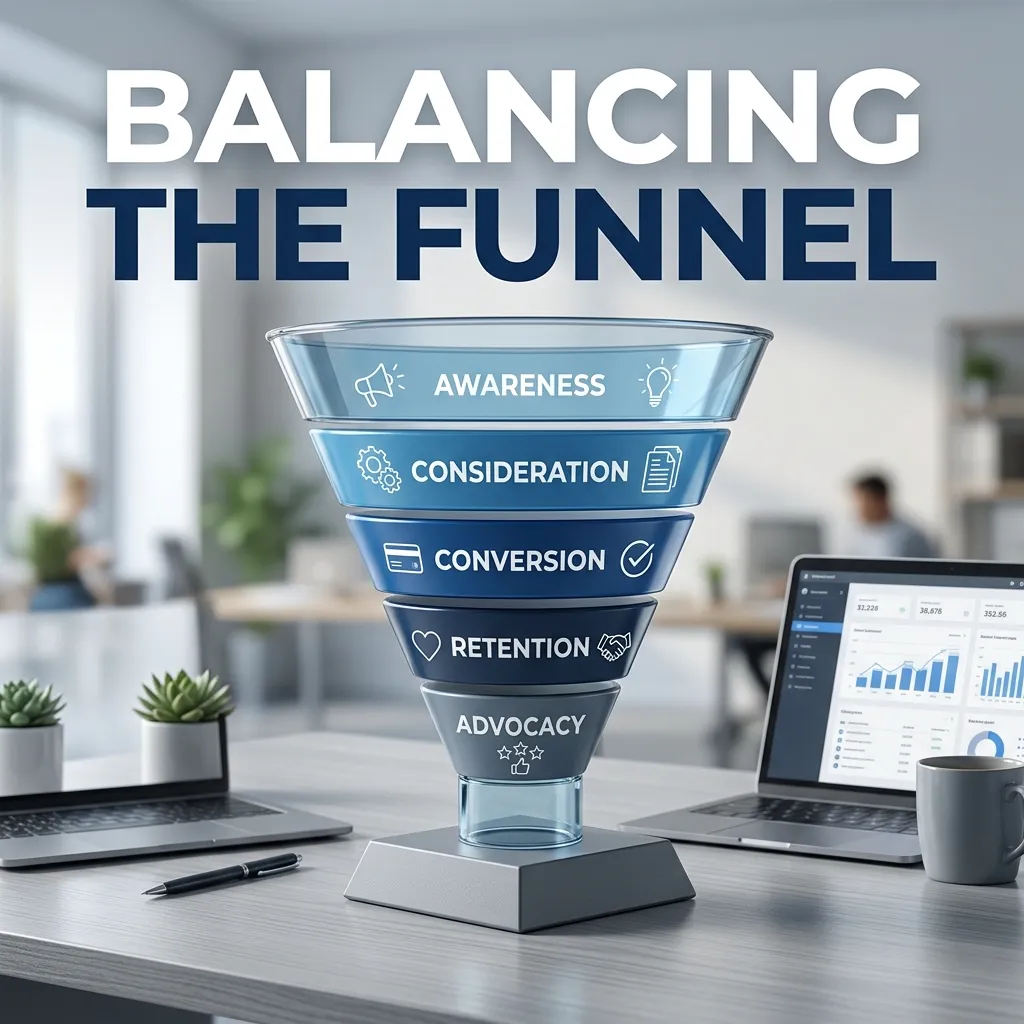
You cannot build a sustainable business purely on acquisition. Even the largest marketing budgets are wasted if your “leaky bucket” is not fixed. Effective marketing with mobile apps ensures you balance smart user acquisition with robust retention tactics. In the long run, every new user you acquire becomes more valuable because they stay longer, engage more, and often help bring in others.
Marketing with mobile apps requires agility and a commitment to continuous improvement. User preferences evolve, algorithms shift, and new technologies emerge. The brands that win are those who obsess over analytics, genuinely care for their users, and are never afraid to test, learn, and adapt.
Conclusion
In a world dominated by smartphones, marketing with mobile apps is more than a trend—it’s a necessity for any modern business seeking growth, engagement, and profitability. We have covered the most important strategies for marketing with mobile apps, from app store optimization and data-driven user acquisition to retention campaigns, push notifications, influencer marketing, and deep linking. To maximize your ROI, focus on continuous optimization, user feedback, and balancing both acquisition and loyalty-building initiatives.
Implementing these strategies in your marketing with mobile apps journey will yield better user experiences and sustainable business growth. Track your results, adapt to industry changes, and stay true to your users’ needs. If you’re ready to take your mobile app marketing to the next level, start applying these smart, actionable tips today—and watch your app ROI soar.
FAQs
What is the most important metric for mobile apps?
Retention rate remains one of the most critical metrics for marketing with mobile apps. While daily active users and cost per install also matter, your business cannot grow if users do not stay engaged.
How much should I spend on marketing with mobile apps?
Marketing budgets will differ by industry and business goals. Start with small, scalable campaigns. Test a variety of marketing with mobile app channels and double down on those with the best ROI.
What is App Store Optimization?
App Store Optimization (ASO) is the process of improving your app’s visibility in storefronts like the App Store and Google Play. It’s a centerpiece of successful marketing with mobile apps—requiring detailed keyword research, compelling visuals, and ongoing optimization.
How do push notifications increase ROI?
Timely, personalized push notifications drive users back to your app and increase session frequency, engagement, and purchases, strengthening the ROI for your marketing with mobile apps.
Why do users uninstall apps quickly?
Common reasons include poor onboarding, too many ads, slow loading, or irrelevant notifications. Delivering value fast is key to keeping users and getting results from marketing with mobile apps.
Should I use influencer marketing for my app?
Absolutely. Influencer marketing is a proven tactic in marketing with mobile apps to build trust and expand reach with highly targeted audiences.
What is a good retention rate?
While it varies, retaining 20–25% of users after 30 days is considered strong in most industries. Consistently improving retention should be a top priority in marketing with mobile apps.
How does deep linking help my campaigns?
Deep links bring users to specific in-app locations, streamlining onboarding and reducing friction. It’s a best practice in marketing with mobile apps to improve conversions from campaigns and partnerships.
Can I market my app for free?
Yes. Tactics like App Store Optimization, content marketing, and social media engagement are core parts of marketing with mobile apps that require more time than money, but pay off with persistence.
Why is tracking attribution so important?
Attribution tracking pinpoints which channels and campaigns generate your best results. Without it, your marketing with mobile apps strategy will waste budget and lose competitive ground.